Asset management firm stands at the intersection of finance and strategy, playing a crucial role in how individuals and institutions grow their wealth. These firms not only manage investment portfolios but also help clients navigate the complex world of financial markets with tailored strategies that align with their goals.
By understanding various asset classes and employing diverse investment strategies, asset management firms are integral to successful wealth management. Their expertise allows clients to invest with confidence, ensuring that their financial aspirations are met while adapting to ever-changing market conditions.
Overview of Asset Management Firms
Asset management firms play a crucial role in the financial landscape by managing investments on behalf of their clients. These organizations are tasked with maximizing returns while minimizing risks through strategic asset allocation and a keen understanding of market trends. They cater to both individual and institutional investors, offering a range of services to help clients achieve their financial goals.The importance of asset management in investment strategies cannot be overstated.
By leveraging professional expertise, investors can navigate complex markets more effectively and make informed decisions. Asset management firms provide essential insights, analytical tools, and access to diverse investment opportunities that individual investors may not readily have. This guidance is pivotal in optimizing investment portfolios and ensuring long-term financial growth.
Primary Functions of Asset Management Firms
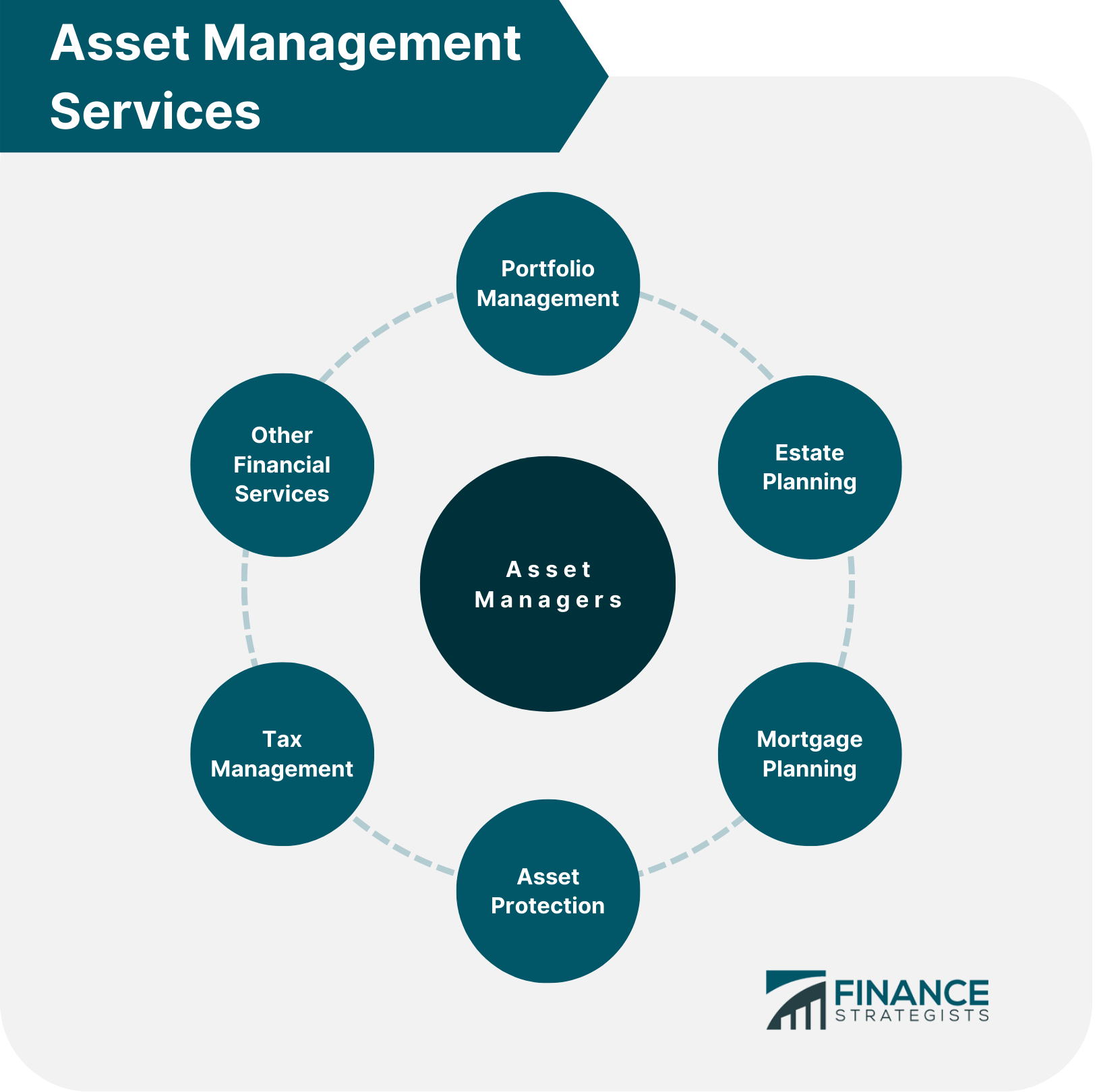
The functions of asset management firms are multifaceted, covering various aspects of investment management. Understanding these roles helps clarify their impact on investment success. Here are the key functions:
- Portfolio Management: Asset managers create and maintain investment portfolios that align with the objectives and risk tolerance of their clients.
- Research and Analysis: They conduct thorough market research and economic analysis to inform investment decisions and identify potential investment opportunities.
- Risk Management: Asset management firms implement risk assessment frameworks to minimize potential losses and ensure the stability of investments.
- Client Advisory Services: They provide personalized advice to clients, helping them understand their investment options and the strategies best suited to their needs.
- Performance Reporting: Regular performance assessments are conducted to keep clients informed about their portfolio’s progress and strategy adjustments.
Types of Assets Managed by Asset Management Firms
Asset management firms typically manage a wide range of assets, catering to diverse investment strategies. Understanding the types of assets helps investors recognize the breadth of options available. The primary asset classes include:
- Equities: Stocks and shares of companies are managed to capitalize on potential growth and dividends.
- Fixed Income: Bonds and other debt instruments are utilized to generate stable returns and preserve capital.
- Real Estate: Investments in commercial and residential properties, often through real estate investment trusts (REITs), are included in portfolios.
- Commodities: Physical goods like gold, oil, and agricultural products which are traded on various exchanges.
- Alternative Investments: This category includes hedge funds, private equity, and venture capital, providing diversification beyond traditional assets.
“In the realm of asset management, diversification is key to mitigating risk and enhancing potential returns.”
Types of Asset Management Firms

Asset management firms play a crucial role in the financial ecosystem, managing investments on behalf of clients ranging from individuals to large institutions. These firms vary significantly in size, focus, and operational approach, leading to different experiences and outcomes for investors. Understanding the types of asset management firms is essential for making informed investment decisions.
Large Institutional Firms and Boutique Firms
The landscape of asset management includes a clear distinction between large institutional firms and boutique firms. Large institutional firms typically manage vast sums of money across a broad range of asset classes and investment strategies. They often have extensive resources, advanced technology, and a diverse team of experts. Their client base includes pension funds, endowments, and sovereign wealth funds, which require sophisticated and tailored investment solutions.On the other hand, boutique firms are generally smaller, specializing in specific investment strategies or asset classes.
They often pride themselves on personalized service and deep expertise in their niche. The agility of boutique firms allows them to adapt quickly to market changes and provide tailored investment solutions. While large firms may offer comprehensive services, boutique firms deliver focused attention, often leading to stronger relationships with their clients.
Public Asset Management Firms and Private Asset Management Firms
The classification of asset management firms also includes a division between public and private firms. Public asset management firms are publicly traded companies, meaning their shares are available for purchase on stock exchanges. This structure typically allows them to raise capital more readily, achieving greater scale and resources. Notable examples include companies like BlackRock and Vanguard, which manage trillions in assets and cater to a diverse range of investors.Conversely, private asset management firms are privately held and not publicly traded.
They often have more flexibility in their investment strategies, allowing them to pursue unique opportunities without the same level of regulatory scrutiny that public firms face. These firms may focus on high-net-worth individuals or institutional clients, offering personalized investment options such as private equity or hedge fund investments. An example of a prominent private firm is CQS, which specializes in credit and multi-asset strategies.
Specialized Asset Management Firms Focused on Niche Markets
Specialized asset management firms are those that concentrate on particular segments of the market, often referred to as niche markets. These firms typically have a deep understanding of their chosen area, enabling them to provide unique insights and investment opportunities. Such specialization can lead to competitive advantages, as these firms are often quicker to identify trends and opportunities within their specific sectors.Examples of specialized asset management firms include those focusing on sustainable or impact investing, where firms like Generation Investment Management take a lead in integrating environmental, social, and governance (ESG) factors into their investment processes.
Another example is firms that concentrate on emerging markets or specific industries, such as technology or healthcare. By focusing on niche markets, these firms can deliver tailored strategies that meet the unique needs of their investors, often resulting in higher returns aligned with specific goals.
Investment Strategies Employed
Investment strategies are the cornerstone of how asset management firms generate returns for their clients. These strategies encompass a wide array of approaches aimed at maximizing gains while mitigating risks. Understanding these strategies is crucial for both investors and asset managers as they navigate the complex financial landscape.Investment strategies can be broadly categorized into two main camps: active and passive management.
Active management involves frequent trading and a hands-on approach to portfolio management, while passive management typically traces a benchmark index with minimal trading. Each strategy offers distinct advantages and aligns differently with investor goals and market conditions.
Active Management
Active management is characterized by a more dynamic approach, where portfolio managers actively buy and sell assets to capitalize on market opportunities. The goal is to outperform a benchmark index through the use of research, forecasts, and analysis. This strategy is particularly beneficial in volatile markets where specific insights can lead to greater returns. Key components of active management include:
- Research and Analysis: Managers utilize economic indicators, company performance data, and market trends to identify investment opportunities.
- Market Timing: Decisions are made based on short-term price movements rather than long-term trends, allowing for potentially higher returns.
- Sector Rotation: Managers may shift investments between sectors based on economic cycles to capitalize on predicted performance.
Active management requires significant expertise and resources, which can lead to higher fees compared to passive strategies.
Passive Management
Passive management aims to replicate the performance of a specific index or benchmark, minimizing the need for active decision-making. This approach involves a buy-and-hold strategy, where assets are acquired and held for the long term.The advantages of passive management include:
- Lower Costs: With less trading and research required, management fees are generally lower, making it appealing for cost-conscious investors.
- Market Performance: Passive strategies often outperform active strategies over time due to lower fees and the tendency for many active managers to underperform their benchmarks.
- Simplicity: These strategies are straightforward and easy to understand, allowing investors to align with market performance without extensive market knowledge.
Diversification
Diversification is a fundamental principle in asset management, aimed at mitigating risk. By spreading investments across various asset classes, sectors, and geographical regions, managers can reduce the impact of any single investment’s poor performance on the overall portfolio.Key benefits of diversification include:
- Risk Reduction: By investing in a variety of assets, the negative performance of one can be offset by the positive performance of others.
- Smoother Returns: A diversified portfolio typically experiences less volatility, providing a more stable return profile over time.
- Access to Different Opportunities: Diversification allows investors to tap into various markets, sectors, and asset classes, enhancing the potential for returns and growth.
Effective diversification requires careful selection and continuous monitoring of asset allocations to align with the investor’s risk tolerance and financial goals.
Regulatory Environment
The regulatory environment surrounding asset management firms plays a crucial role in establishing the framework within which these firms operate. Regulations are designed to protect investors and ensure the integrity of financial markets. This environment is constantly evolving, reflecting changes in market dynamics and investor needs.
Key Regulations Governing Asset Management Firms
Several key regulations shape the operations of asset management firms, helping to ensure transparency, accountability, and investor protection. Understanding these regulations is vital for compliance and effective management.
- Investment Company Act of 1940: This U.S. federal law regulates investment companies and requires them to register with the SEC. It aims to protect investors by ensuring full disclosure of investment practices and financial condition.
- Advisers Act of 1940: This act regulates investment advisers, requiring them to register with the SEC or state regulators, depending on assets under management, and adhere to fiduciary standards.
- MiFID II: In the EU, the Markets in Financial Instruments Directive II aims to increase transparency and protect investors by regulating financial markets and investment services.
- Basel III: While primarily focused on banks, Basel III regulations impact asset management firms by setting capital requirements and promoting risk management practices.
Impact of Compliance on Investment Strategies
Compliance with regulations significantly influences the investment strategies of asset management firms. Firms must balance their desire for performance with the need to adhere to regulatory standards, which can sometimes limit options.
- Compliance requirements can restrict the types of securities that managers can invest in, ultimately leading to more conservative investment approaches.
- Firms may need to allocate resources for compliance monitoring, affecting the overall operational budget and possibly impacting performance-driven initiatives.
- Some regulations encourage the adoption of sustainable and socially responsible investing (SRI) practices, aligning investment strategies with broader societal goals.
Role of Regulatory Bodies in Oversight
Regulatory bodies play a pivotal role in overseeing asset management firms, ensuring they adhere to laws and regulations designed to protect investors and maintain market integrity. Their activities include regular audits, enforcement actions, and the issuance of guidelines.
- Securities and Exchange Commission (SEC): In the United States, the SEC is the primary regulator of asset management firms, overseeing their compliance with federal securities laws.
- Financial Conduct Authority (FCA): In the UK, the FCA regulates financial services firms, including asset managers, ensuring they operate in a manner that protects consumers and promotes competition.
- European Securities and Markets Authority (ESMA): ESMA plays a critical role in the EU by enhancing investor protection and promoting stable financial markets through the implementation of securities regulation.
Performance Measurement
Performance measurement is a critical aspect of asset management that allows firms to evaluate the effectiveness of their investment strategies. By using various key performance indicators (KPIs), asset managers can assess their performance over time, benchmark against industry standards, and ensure that they are meeting their clients’ expectations. This process is essential not only for maintaining investor confidence but also for making informed future investment decisions.
Key Performance Indicators Used by Asset Management Firms
Asset management firms utilize several key performance indicators to gauge their investment success. These KPIs provide a quantifiable measure of performance and are pivotal in strategic decision-making. Here are some widely used indicators:
- Total Return: This reflects the overall gain or loss of an investment over a specific period, considering both income and capital appreciation.
- Sharpe Ratio: A measure of risk-adjusted return, the Sharpe Ratio evaluates the excess return per unit of risk taken, helping managers understand the efficiency of their investment strategies.
- Alpha: This metric indicates how much an investment has outperformed or underperformed a benchmark index, providing insight into manager skill.
- Beta: Beta measures the volatility of an investment relative to the market, indicating the degree to which the asset’s price movements correlate with market movements.
- Standard Deviation: This statistic assesses the investment’s volatility, providing insight into its risk profile by measuring the dispersion of returns around the mean.
Benchmarking Fund Performance Against Indices
Benchmarking is an essential method for evaluating a fund’s performance by comparing it against relevant indices. This practice helps investors and asset managers ascertain whether the fund is delivering adequate returns relative to market conditions. The following are standard approaches used in benchmarking:
- Selection of Appropriate Benchmarks: Choosing a benchmark that closely resembles the fund’s investment strategy and asset allocation is crucial for accurate comparison. For example, a growth equity fund might benchmark against the S&P 500 Growth Index.
- Relative Performance Measurement: This involves calculating the difference between the fund’s return and the benchmark’s return, providing a clear indication of fund performance.
- Risk-Adjusted Benchmarking: Comparing the fund’s returns after adjusting for risk factors (such as volatility) gives a nuanced understanding of performance relative to the benchmark.
Assessing Risk-Adjusted Returns
Assessing risk-adjusted returns is vital for understanding how well an investment compensates for the risks taken. Various techniques are employed to evaluate these returns, ensuring a comprehensive analysis of performance. Some key techniques include:
- Treynor Ratio: Similar to the Sharpe Ratio, the Treynor Ratio measures returns earned in excess of that which could have been earned on a riskless investment per each unit of market risk, as indicated by beta.
- Sortino Ratio: This ratio focuses on downside risk rather than total volatility, offering a more refined measure of risk-adjusted performance by emphasizing harmful volatility.
- Value at Risk (VaR): VaR quantifies the potential loss in value of a portfolio under normal market conditions over a set time period, offering insights into the worst expected loss.
- Omega Ratio: This metric compares the probability of achieving a certain level of gains versus the probability of incurring losses, providing a broader perspective on risk-adjusted returns.
Effective performance measurement enables asset management firms to align their strategies with investor expectations and market realities.
Technological Advancements

The asset management industry has undergone a significant transformation in recent years, primarily driven by advances in technology. These changes have not only enhanced operational efficiency but have also reshaped how firms interact with clients and manage investments. The integration of various technological tools and platforms has become essential for asset managers seeking to remain competitive in an increasingly digital landscape.Technological advancements have revolutionized asset management practices by enabling data-driven decision-making, improving compliance, and enhancing client engagement.
As a result, firms are better equipped to analyze vast amounts of data, automate routine processes, and provide personalized investment solutions. This shift has been largely facilitated by the rise of fintech companies that specialize in innovative financial technologies aimed at optimizing asset management processes.
Role of Fintech in Asset Management
Fintech has played a pivotal role in transforming asset management through the introduction of advanced tools and solutions that streamline operations and enhance investment strategies. The proliferation of fintech solutions has enabled asset managers to leverage technologies such as artificial intelligence (AI), machine learning, and big data analytics. These technologies allow firms to analyze market trends, client behavior, and economic indicators more effectively.The following are some key ways in which fintech influences asset management:
- Robo-Advisors: Automated investment platforms that provide algorithm-driven financial planning services with minimal human intervention. These platforms lower the cost of asset management and democratize access to investment services.
- Blockchain Technology: Utilized for secure and transparent transactions, blockchain can streamline settlement processes, reduce fraud, and improve record-keeping in asset management.
- Data Analytics Tools: Advanced analytical tools facilitate deeper insights into market trends and client preferences, enabling asset managers to make informed investment decisions.
- Investment Platforms: Comprehensive platforms that integrate trading, research, and client management, enhancing operational efficiency and client experience.
Common Tools and Software in Asset Management
The asset management industry employs a variety of tools and software to enhance efficiency and performance. These tools not only assist in portfolio management but also aid in risk assessment, compliance, and reporting. The integration of these technologies helps firms optimize their investment strategies and improve client services.Some widely used tools and software include:
- Portfolio Management Software: Platforms like BlackRock Aladdin and FactSet enable asset managers to track performance and manage portfolios effectively, providing comprehensive analytics and reporting capabilities.
- Risk Management Tools: Tools such as RiskMetrics and MSCI Barra assist in assessing and mitigating investment risks, ensuring compliance with regulatory requirements.
- Trading Platforms: Advanced trading solutions like Bloomberg Terminal and Eikon facilitate real-time trading, market analysis, and access to global financial data.
- Client Relationship Management (CRM) Systems: CRM tools like Salesforce enhance client engagement and communication, helping firms build stronger relationships with their clients.
Technological advancements continue to reshape the asset management landscape, making it essential for firms to embrace these innovations to stay competitive and meet evolving client needs. By leveraging fintech solutions and advanced tools, asset managers can achieve greater efficiency, improved performance, and enhanced client satisfaction.
Client Relationship Management: Asset Management Firm
Effective client relationship management is pivotal for asset management firms, as it directly influences client satisfaction, retention, and long-term partnerships. By fostering open lines of communication and building trust, firms can enhance their client experience and solidify their reputation in the industry. This segment dives into the importance of communication, trust-building methods, and a structured approach to onboarding and maintaining client relationships.
Importance of Client Communication
Regular and transparent communication is essential in asset management. Clients need to feel informed and engaged with their investments. This enhances their understanding of market dynamics and investment strategies, which in turn strengthens the relationship with the firm. Consistent communication not only reassures clients but also provides them with crucial updates on performance, market conditions, and changes in strategy.
Methods for Building Trust and Transparency, Asset management firm
Establishing trust requires ongoing efforts and strategic practices. Here are several methods asset management firms can employ to bolster trust and transparency:
- Frequent Updates: Regularly updating clients on portfolio performance and market changes allows them to stay informed and engaged.
- Personalized Communication: Tailoring communication based on individual client needs and preferences helps create a sense of personal connection.
- Clear Reporting: Providing clear, understandable performance reports can demystify investment performance for clients, fostering confidence in the firm’s capabilities.
- Open Door Policy: Encouraging clients to reach out with questions or concerns promotes a culture of openness and accessibility.
- Feedback Mechanisms: Implementing ways for clients to provide feedback shows that the firm values their opinions and is committed to continuous improvement.
Framework for Client Onboarding and Relationship Maintenance
A structured approach to client onboarding and relationship maintenance is crucial for fostering long-term partnerships. The following framework Artikels essential steps in this process:
1. Initial Consultation
Establish clear objectives through an initial meeting to understand client goals, risk tolerance, and investment preferences.
2. Customizing Investment Strategy
Based on the initial consultation, develop a tailored investment strategy that aligns with the client’s financial goals.
3. Onboarding Documentation
Streamline the onboarding process by providing clear documentation and steps to ensure clients understand what is required from them.
4. Regular Portfolio Reviews
Schedule periodic reviews to assess portfolio performance and adjust strategies as needed, keeping clients engaged and informed in the process.
5. Client Education
Offer educational resources such as webinars or newsletters to keep clients informed about market trends and investment strategies.
6. Long-term Relationship Management
Establish a dedicated team or point of contact for ongoing client support, reinforcing the firm’s commitment to maintaining a strong relationship.This comprehensive approach to client relationship management not only enhances trust and satisfaction but also positions asset management firms for sustained success in a competitive landscape.
Challenges in Asset Management
Asset management firms face numerous challenges that can significantly impact their operations and performance. Navigating through a rapidly evolving financial landscape, these firms must adapt to changing market conditions, regulatory requirements, and client expectations. Understanding these challenges is essential for developing strategies that not only mitigate risks but also capitalize on opportunities.Economic volatility remains a prominent challenge for asset management firms.
Market fluctuations can lead to unpredictable investment returns, affecting client confidence and fund performance. Firms must also contend with the increasing complexity of financial markets, driven by global economic changes, technological advancements, and evolving investor behaviors.
Current Challenges Faced by Asset Management Firms
A variety of challenges currently confront asset management firms, necessitating strategic responses to maintain competitiveness. The most significant challenges include:
- Market Volatility: The unpredictability of financial markets can lead to sudden losses and client withdrawals.
- Regulatory Compliance: Adhering to a growing array of regulations can impose significant operational burdens and costs.
- Fee Compression: Increased competition and a shift towards lower-cost alternatives have pressured traditional fee structures.
- Technological Disruption: The rapid pace of technological change demands continuous investment in systems and processes to stay relevant.
- Client Expectations: Today’s investors seek personalized services and transparency, requiring firms to adapt their offerings accordingly.
Strategies for Overcoming Market Volatility
To effectively navigate market volatility, asset management firms must implement strategic measures aimed at stabilizing returns and enhancing client trust. Key strategies include:
- Diversification: Spreading investments across various asset classes and geographical regions can reduce risk exposure.
- Dynamic Asset Allocation: Adjusting portfolios in response to changing market conditions can help mitigate losses and capitalize on growth opportunities.
- Risk Management Frameworks: Establishing robust risk management practices enables firms to identify, assess, and respond to potential risks proactively.
- Client Education: Providing clients with information about market trends and investment strategies fosters trust and helps manage expectations.
- Utilization of Technology: Advanced analytics and algorithmic trading can provide insights and responsiveness to market changes, enhancing decision-making.
Impact of Economic Changes on Asset Management Operations
Economic conditions significantly influence asset management operations, affecting investment strategies, client behavior, and overall market stability. Notable impacts include:
- Interest Rate Fluctuations: Changes in interest rates can affect bond valuations, altering asset allocation strategies.
- Inflation Rates: Rising inflation can erode purchasing power, prompting changes in investment focus towards real assets or inflation-protected securities.
- Global Economic Events: International crises, trade disputes, and geopolitical tensions can disrupt markets and necessitate rapid shifts in investment strategy.
- Changes in Consumer Behavior: Economic downturns may lead to alterations in investor sentiment, affecting inflows and outflows of capital.
- Regulatory Environment: Economic shifts may prompt new regulations that impact investment practices, requiring firms to remain agile and compliant.
Future Trends in Asset Management
The asset management industry is undergoing significant transformations, driven by technological advancements, changing demographic dynamics, and a growing emphasis on sustainability. As these trends continue to evolve, they will shape the strategies and operations of asset management firms, influencing how they engage with clients and navigate the financial landscape.
Emerging Trends Shaping Asset Management
Several key trends are emerging that will likely redefine the asset management landscape. These include the adoption of artificial intelligence (AI), increased focus on personalization, and the integration of blockchain technology. Each of these trends plays a vital role in enhancing operational efficiency, improving decision-making, and ensuring transparency in asset management practices.
- Artificial Intelligence: AI is being utilized to analyze vast amounts of data, enabling firms to identify investment opportunities and trends that were previously difficult to detect. For example, companies like BlackRock are leveraging AI-driven analytics to enhance their risk management capabilities.
- Personalization: Investors are seeking tailored investment solutions that align with their individual goals and values. Firms are increasingly using data analytics to offer personalized portfolios that reflect client preferences.
- Blockchain Technology: The adoption of blockchain is improving transparency and security in transactions. By utilizing smart contracts, asset managers can streamline processes and reduce costs associated with traditional transaction methods.
Rise of Sustainable and Responsible Investing
Sustainable and responsible investing (SRI) has gained tremendous traction among investors who prioritize environmental, social, and governance (ESG) criteria in their investment decisions. The increasing awareness of climate change and social justice issues is prompting asset management firms to develop investment strategies that reflect these values.
- Growth of ESG Funds: The demand for ESG funds has surged, with investors increasingly willing to allocate capital to funds that prioritize sustainability. According to a report from Morningstar, global sustainable fund assets exceeded $2 trillion in 2021.
- Regulatory Changes: Governments and regulatory bodies are enforcing stricter guidelines on sustainability disclosures. Firms must adapt to these regulations by integrating ESG factors into their investment processes.
- Impact Investing: Investors are looking for opportunities that not only generate financial returns but also create positive social and environmental impacts. This trend is reshaping asset allocation strategies across various sectors.
Influence of Demographic Changes on Asset Management Strategies
Demographic shifts, such as an aging population and the rise of millennial investors, are significantly influencing asset management strategies. These changes necessitate a reevaluation of investment approaches to meet the evolving preferences and needs of different investor segments.
- Aging Population: As baby boomers approach retirement, there is a growing need for income-focused investment strategies that provide steady returns. Asset managers are developing products tailored to meet the income requirements of older clients.
- Millennial Investors: Millennials prioritize technology and sustainability, making them more inclined to invest in digital platforms and ESG-focused funds. Asset management firms must adapt their marketing strategies to engage with this demographic effectively.
- Intergenerational Wealth Transfer: The transfer of wealth from older generations to younger ones will impact asset management practices. Firms will need to cultivate relationships with younger investors who may have different investment philosophies.
Top FAQs
What is the primary role of an asset management firm?
The primary role of an asset management firm is to manage investment portfolios on behalf of clients, aiming to achieve their financial goals through strategic investment decisions.
How do asset management firms charge for their services?
Asset management firms typically charge fees based on a percentage of assets under management (AUM), performance fees, or a combination of both.
What types of clients do asset management firms serve?
Asset management firms serve a range of clients, including individual investors, businesses, pension funds, institutions, and non-profits, tailoring services to meet diverse financial needs.
How do asset management firms ensure compliance with regulations?
Asset management firms ensure compliance through rigorous internal controls, regular audits, and by staying updated with regulatory changes to align their practices with legal requirements.
What is the significance of diversification in asset management?
Diversification is crucial as it helps mitigate risk by spreading investments across various asset classes, reducing the impact of poor performance in any single investment.
