Eco-friendly resort in Costa Rica or Brazil rainforest luxury stay offers a breathtaking escape into nature while ensuring sustainable practices are at the forefront. These resorts not only provide luxurious accommodations but also prioritize the health of the rainforest and local communities.
In a world where travel can often contribute to environmental degradation, choosing an eco-friendly resort means indulging in luxury without compromising on sustainability. From unique biodiversity to rich cultural experiences, the rainforests of Costa Rica and Brazil beckon travelers seeking both adventure and relaxation.
Overview of Eco-Friendly Resorts

Eco-friendly resorts are designed to provide a luxurious experience while prioritizing sustainability and environmental conservation. Nestled within the lush rainforests of Costa Rica and Brazil, these resorts offer a unique blend of comfort and a deep connection to nature. The focus on eco-conscious practices ensures that guests can enjoy their stay without compromising the health of the ecosystems around them.Sustainable tourism is of paramount importance in both Costa Rica and Brazil, as these countries are home to some of the most biodiverse rainforests in the world.
By choosing eco-friendly accommodations, travelers contribute to the conservation of these vital environments. Moreover, sustainable tourism encourages local communities to engage in and benefit from the preservation of their natural resources. The impact of this choice extends beyond the immediate experience, promoting a broader movement towards environmental stewardship.
Key Features of Luxury Eco-Friendly Accommodations
Luxury eco-friendly resorts incorporate several features that distinguish them from traditional hotels while enhancing the guest experience. These attributes not only provide comfort and convenience but also align with the principles of sustainability.
- Natural Materials: Accommodations are often constructed using sustainable, locally sourced materials such as bamboo, reclaimed wood, and natural stone, reflecting the surrounding environment.
- Energy Efficiency: Many resorts utilize renewable energy sources, such as solar and wind power, to minimize their carbon footprint. Energy-efficient lighting and appliances further enhance sustainability.
- Water Conservation: Eco-friendly resorts often implement water-saving technologies, including rainwater harvesting systems and low-flow fixtures, to reduce water consumption and protect local water sources.
- Locally-Sourced Cuisine: Many resorts emphasize farm-to-table dining experiences, featuring organic produce and locally caught seafood, thereby supporting local economies and reducing transportation emissions.
- Wildlife Conservation Programs: By partnering with local conservation efforts, these resorts often engage guests in activities that promote wildlife preservation and educate them about the region’s flora and fauna.
“Choosing eco-friendly resorts means investing in the planet’s future while enjoying unparalleled luxury.”
The combination of these features not only elevates the guest experience but also serves as a model for responsible tourism. By prioritizing sustainability, luxury eco-friendly resorts in Costa Rica and Brazil help protect the irreplaceable natural beauty of their environments for generations to come.
Location Highlights
The rainforests of Costa Rica and Brazil are two of the most biodiverse ecosystems on the planet, each offering unique experiences for guests seeking an eco-friendly luxury stay. While both locations boast lush greenery and an array of wildlife, they each have distinct characteristics that enhance their appeal. Understanding the highlights of each rainforest can help travelers make informed decisions about their next getaway.Costa Rica’s rainforest is known for its rich ecosystem, comprising various national parks and reserves.
In contrast, Brazil’s Amazon rainforest presents an expansive and diverse environment, home to numerous indigenous cultures and unmatched biodiversity. The accessibility of these eco-friendly resorts from major cities and natural attractions adds to their allure, making them ideal destinations for adventure seekers and nature lovers alike.
Comparison of Rainforests
When comparing the rainforests of Costa Rica and Brazil, several important factors stand out:
- Biodiversity: Costa Rica is home to around 5% of the world’s species in just 0.03% of the Earth’s surface. Its rainforests feature over 300,000 species of plants and animals, including the vibrant resplendent quetzal and the endangered Baird’s tapir. Brazil’s Amazon, on the other hand, is the largest rainforest in the world, housing an estimated 390 billion individual trees and over 16,000 species of trees alone, which fosters a habitat for various wildlife such as jaguars, sloths, and anacondas.
- Unique Attractions: Costa Rica offers unique attractions like the Arenal Volcano, Monteverde Cloud Forest, and the Osa Peninsula, where visitors can engage in activities ranging from zip-lining to bird-watching. Brazil’s Amazon provides opportunities for river cruises, visits to indigenous communities, and treks through the thick foliage, revealing hidden waterfalls and exotic flora.
- Accessibility: Eco-friendly resorts in Costa Rica are often within a few hours’ drive from major cities such as San José and Liberia, making travel convenient. Conversely, accessing many resorts in the Brazilian Amazon may require a combination of flight and boat travel, often necessitating more planning but rewarding adventurous travelers with an authentic experience.
“The Amazon rainforest is a treasure trove of biodiversity, while Costa Rica is a living laboratory of ecological wonders.”
Sustainable Practices
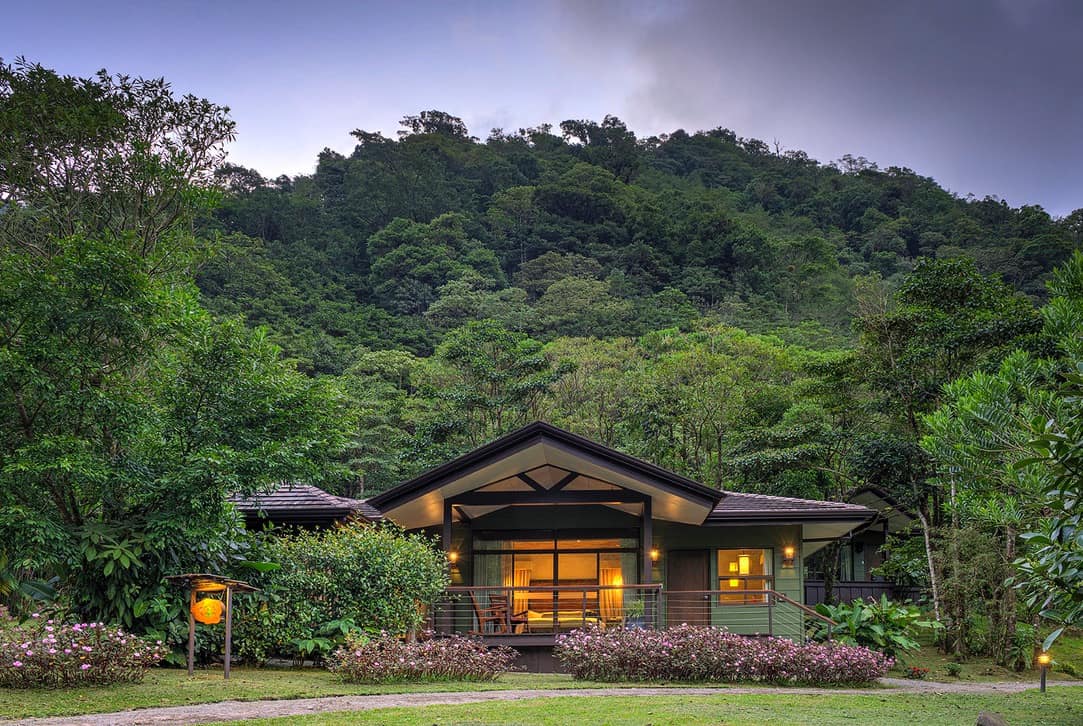
Luxury eco-friendly resorts in Costa Rica and Brazil are leading the way in sustainable tourism by implementing a range of eco-friendly practices. These resorts prioritize both the environment and the comfort of their guests, creating a perfect blend of luxury and sustainability. Through innovative waste management and energy conservation strategies, they not only reduce their ecological footprint but also enhance the overall guest experience.An essential aspect of sustainability in luxury resorts is the use of local materials and food sourcing.
By sourcing materials from local artisans and using food from nearby farms, these resorts support the local economy while minimizing carbon emissions associated with transportation. This approach not only fosters community relationships but also ensures guests enjoy fresh, authentic products reflective of the surrounding culture.
Waste Management and Energy Conservation
Efficient waste management and energy conservation are cornerstones of sustainable practices in luxury resorts. These resorts implement systems that significantly reduce waste generation and promote recycling. For example, many resorts have composting programs that convert organic waste into rich soil for landscaping and gardening. This not only reduces the volume of waste sent to landfills but also enhances the resort’s natural beauty.Energy conservation measures include the use of solar panels and energy-efficient appliances.
Resorts often utilize solar power for heating water and generating electricity, thereby reducing reliance on non-renewable energy sources. Examples of resorts that excel in these areas include the Lapa Rios Lodge in Costa Rica, which runs entirely on renewable energy, and the Inkaterra Machu Picchu Pueblo Hotel in Peru, known for its comprehensive waste management program.
Local Sourcing Practices
The impact of local sourcing on sustainability cannot be overstated. By procuring food and materials locally, resorts reduce transportation emissions and support local farmers and craftsmen. This practice not only enhances the dining experience with fresh, seasonal cuisine but also showcases the region’s unique flavors. Additionally, local materials used in construction and decor often have a lower environmental impact compared to imported goods.Several eco-resorts have embraced this philosophy wholeheartedly.
For instance, the Kura Design Villas in Costa Rica features architecture that incorporates local wood and stone, ensuring that the construction blends seamlessly with the natural surroundings. Furthermore, many resorts, like the Pousada Picinguaba in Brazil, offer farm-to-table dining experiences that highlight the importance of local agriculture and sustainable food practices.
Eco-Certifications
Many eco-friendly resorts seek certifications that recognize their commitment to sustainability. These certifications serve as a testament to the resort’s adherence to environmentally responsible practices. Notable certifications include Green Globe and LEED (Leadership in Energy and Environmental Design), which evaluate resorts based on criteria such as energy efficiency, waste management, and sustainable sourcing.For example, the Playa Nicuesa Rainforest Lodge in Costa Rica has received the Certification for Sustainable Tourism (CST), highlighting its dedication to sustainability and community involvement.
Similarly, the Nannai Beach Resort in Brazil is recognized for its efforts in preserving the local environment, making it a preferred choice for eco-conscious travelers.
Guest Experiences
Staying at an eco-friendly resort in the lush rainforests of Costa Rica or Brazil provides guests with unique experiences that blend luxury with sustainable practices. These resorts not only offer stunning views and comfort but also immerse guests in the beauty of nature while promoting eco-tourism. From adventure activities to relaxation, every experience is designed to leave a lasting impression while respecting the environment.Guests at these eco-friendly resorts can engage in a variety of activities that highlight the beauty and biodiversity of the rainforest.
These experiences often focus on sustainable tourism practices, ensuring that guests enjoy their stay without compromising the integrity of the area. Here are some popular activities that guests can partake in:
Activities for Eco-Tourism, Eco-friendly resort in Costa Rica or Brazil rainforest luxury stay
The following activities provide opportunities to explore the natural surroundings while promoting sustainability:
- Guided nature hikes: Explore the rich flora and fauna with knowledgeable guides who share insights about the ecosystem.
- Wildlife spotting: Take part in excursions to observe various species in their natural habitat, such as monkeys, sloths, and exotic birds.
- Cultural workshops: Participate in local crafts, cooking classes, or traditional music sessions, experiencing the vibrant culture of the region.
- Organic farm tours: Visit nearby sustainable farms to learn about organic farming practices and even participate in harvesting fresh produce.
- Yoga and wellness retreats: Enjoy rejuvenating yoga sessions in serene natural settings, promoting relaxation and mindfulness.
- River rafting and kayaking: Navigate through pristine rivers, taking in the breathtaking views while enjoying adventurous water sports.
- Eco-friendly spa treatments: Indulge in spa services that use natural, locally-sourced ingredients, ensuring a guilt-free pampering experience.
Guest testimonials often highlight the incredible balance between comfort and sustainability during their stays. One guest, Sarah, shared her experience, saying,
“I was amazed at how luxurious my stay felt while knowing that every aspect of the resort was designed to be eco-friendly. The staff was incredibly knowledgeable about the environment and made me feel like a part of the conservation efforts.”
Another visitor, Mark, remarked,
“The guided hikes were a real highlight for me. It was refreshing to see a resort that prioritizes the environment and educates its guests about the importance of preserving the rainforest.”
The combination of high-end amenities with a commitment to sustainability creates an exceptional experience for guests. Resorts often feature beautifully designed accommodations that integrate seamlessly with their surroundings, using sustainable materials and energy-efficient technologies. This thoughtful design ensures that guests enjoy the utmost comfort while minimizing their ecological footprint. From solar-powered facilities to locally sourced meals, the guest experience is a harmonious blend of luxury and responsibility, making it easy for travelers to enjoy their stay while contributing to the preservation of the rainforest.
Cultural Integration: Eco-friendly Resort In Costa Rica Or Brazil Rainforest Luxury Stay
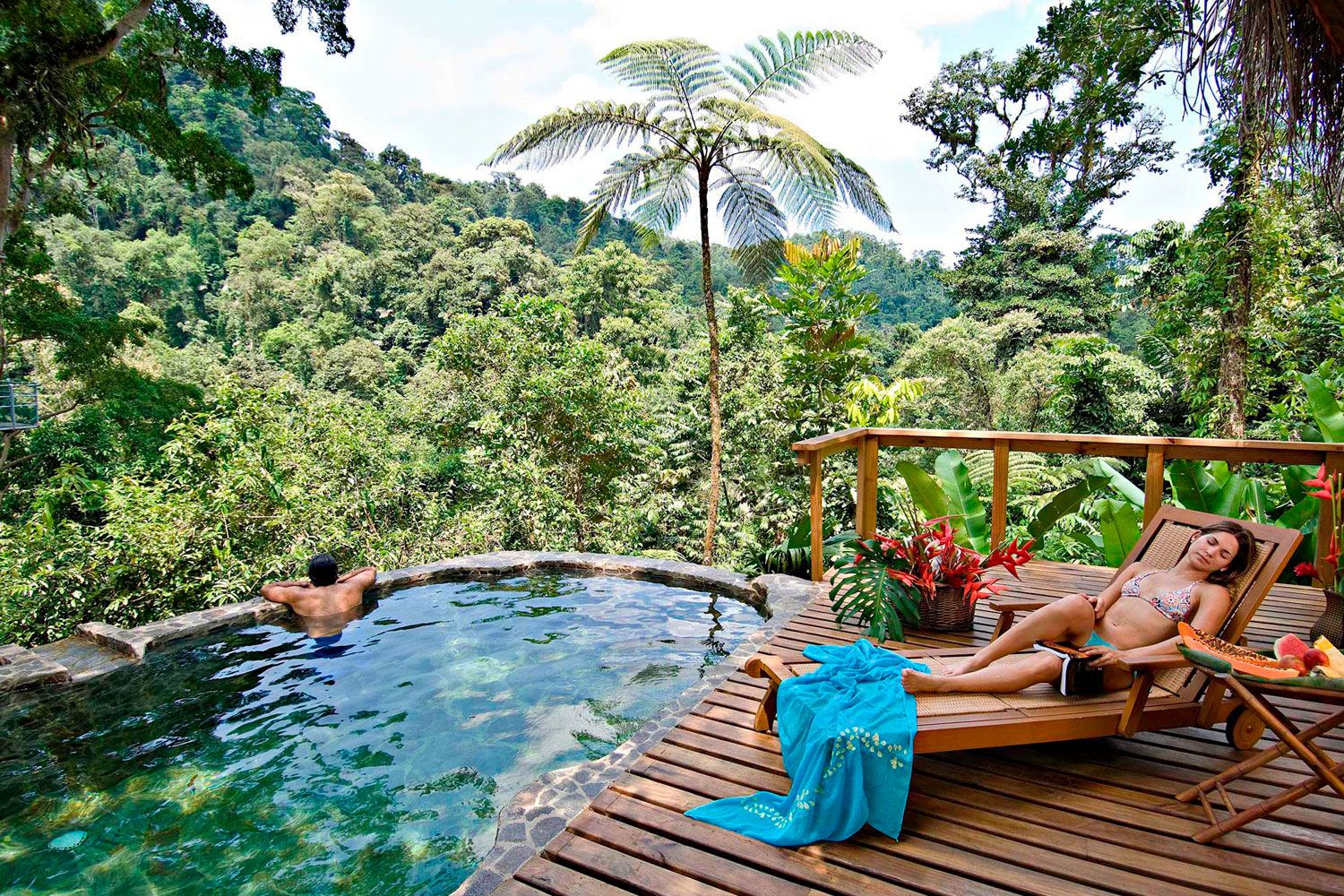
Eco-friendly resorts in Costa Rica and Brazil are not just about luxury and comfort; they also serve as vibrant gateways to the rich cultural landscapes of their respective regions. These resorts embrace local traditions, arts, and culinary practices, creating an immersive experience that benefits both the guests and the communities. By incorporating local culture into their offerings, these resorts foster a deeper connection between visitors and the environment, enriching the overall travel experience.The integration of local culture into resort offerings is beneficial on multiple levels.
It provides guests with authentic experiences that go beyond typical tourist activities, allowing them to engage with the local community. For the local population, this cultural exchange can promote economic benefits and bolster pride in their heritage. Eco-friendly resorts often involve the local community in various aspects of their operations, from employing local artisans to featuring traditional cuisine in their dining options.
This synergistic relationship enhances the guest experience while also ensuring that the cultural nuances of the area are preserved and celebrated.
Local Cultural Offerings
Both Costa Rican and Brazilian eco-friendly resorts highlight local traditions and events in unique ways. The following points detail the various methods by which these resorts incorporate local culture into their guests’ experiences:
- Cultural Workshops: Resorts often host workshops led by local artisans, where guests can learn traditional crafts such as pottery, weaving, or dance. This hands-on experience allows guests to appreciate the skills and stories behind local artistry.
- Traditional Cuisine: Eco-friendly resorts prioritize farm-to-table dining options that feature indigenous ingredients and traditional recipes. This not only supports local farmers but also gives guests a taste of authentic regional flavors.
- Cultural Events and Festivals: Many resorts align their schedules with local festivals, inviting guests to participate in celebrations of music, dance, and food that reflect the community’s heritage.
- Local Guides: Employing local guides for tours provides guests with insights into the cultural significance of various landmarks, wildlife, and natural phenomena, enhancing their understanding of the area.
- Collaboration with Communities: Sustainable practices often involve collaboration with local communities, ensuring that a portion of the resort’s profits go back to supporting cultural preservation initiatives.
In Costa Rica, eco-friendly resorts might celebrate the vibrant traditions of the Indigenous Bribri and Cabécar peoples, often featuring their music, dance, and crafts. In contrast, Brazilian resorts may showcase the colorful festivities of Carnaval or traditional Capoeira dance, immersing guests in the lively spirit of the local culture. Both approaches foster meaningful connections between visitors and the unique cultural fabrics of their surroundings.
Environmental Impact
Choosing eco-friendly resorts in Costa Rica or the Brazilian rainforest significantly contributes to environmental preservation and sustainable tourism. These resorts are designed not only to provide luxury experiences but also to minimize their ecological footprints. By prioritizing sustainability, they foster a greater respect for nature and encourage tourists to engage in environmentally responsible behaviors.The role of luxury resorts in conservation efforts is paramount.
They often operate in collaboration with local organizations to protect wildlife and support habitat preservation. By implementing sustainable practices, these resorts not only reduce their environmental impact but also contribute to the well-being of ecosystems and communities. For instance, many eco-resorts fund local conservation initiatives, help rehabilitate endangered species, and engage in reforestation projects.
Contributions to Conservation and Wildlife Protection
Eco-friendly resorts actively participate in wildlife protection and conservation through various initiatives, showcasing the effectiveness of eco-tourism in preserving rainforests. These contributions can be understood through several key aspects:
- Habitat Restoration: Many resorts engage in reforestation efforts, planting native trees to restore degraded areas. Studies have shown that reforestation can increase biodiversity and improve ecosystem health.
- Wildlife Corridors: Resorts often help establish wildlife corridors that reconnect fragmented habitats, allowing animals to migrate safely and thrive in their natural environments.
- Funding Conservation Projects: A percentage of profits from these resorts frequently goes toward local conservation initiatives, protecting endangered species and their habitats.
- Environmental Education: By educating guests about the local ecosystem and its importance, resorts inspire a deeper connection to nature and encourage eco-friendly practices.
“Eco-tourism has proven to be a viable tool for rainforest preservation, with studies indicating that regions with an active eco-tourism presence see up to a 20% decrease in deforestation rates.”
The statistics surrounding eco-tourism illustrate its effectiveness in supporting conservation efforts. According to research by the World Wildlife Fund, areas that promote sustainable tourism report an increase in local wildlife populations by approximately 10% per year. Moreover, the revenue generated through eco-tourism provides vital funding for environmental protection services, ensuring the longevity of these precious ecosystems. By choosing eco-friendly luxury resorts, travelers become active participants in the conservation movement, making a positive impact on some of the world’s most biodiverse regions.
Future of Eco-Luxury Travel
The future of eco-luxury travel is bright and evolving, with a growing emphasis on sustainability, innovation, and consumer consciousness. As travelers prioritize environmental stewardship alongside lavish experiences, eco-friendly resorts are stepping up to meet these demands. This evolution is not only transforming guest experiences but also reshaping the hospitality industry as a whole.Technological advancements are playing a significant role in promoting sustainability within resort operations.
Innovations such as energy-efficient systems, water-saving technologies, and waste management solutions are being adopted to reduce the environmental footprint of luxury stays. For instance, solar panels are increasingly common in eco-resorts, harnessing renewable energy to power facilities without depleting natural resources. Smart technology is also enhancing guest experiences—allowing for energy consumption monitoring, personalized climate control, and even virtual concierge services that minimize resource use.
Trends Shaping Eco-Luxury Travel
Several trends are anticipated to define the future of eco-luxury travel, driven by both consumer preferences and technological advancements.
- Increased Demand for Authentic Experiences: Travelers are seeking genuine connections with local cultures and environments. Eco-resorts that offer immersive experiences, like guided rainforest tours or culinary classes with local chefs, are becoming more popular.
- Investment in Renewable Energy: More resorts are committing to 100% renewable energy sources, significantly reducing their carbon footprints. This trend is supported by clearer consumer expectations for sustainability in luxury accommodations.
- Health and Wellness Focus: The integration of wellness programs that emphasize natural therapies, organic foods, and sustainable practices is on the rise, creating a more holistic travel experience.
- Transparency and Ethical Practices: Consumers are increasingly interested in the ethical implications of their travel choices. Eco-resorts that showcase transparency in their sourcing and operational practices will likely gain a competitive edge.
Technology is revolutionizing how eco-friendly resorts operate, leading to improved sustainability measures. For example, automated systems can optimize energy use in real-time, while mobile applications can provide guests with insights into their stay’s environmental impact.
“Innovation in hospitality means finding ways to do more with less, ensuring luxurious experiences do not come at the expense of our planet.”
Consumer preferences are rapidly evolving, with a noticeable shift towards eco-friendly options. Younger generations, particularly Millennials and Gen Z, are more inclined to choose travel experiences that align with their values of sustainability and social responsibility. They prioritize brands that make a genuine commitment to environmental conservation, which is reshaping the competitive landscape of the travel industry. In the coming years, it is expected that eco-luxury travel will continue to thrive, as resorts adapt to meet these changing demands.
By embracing sustainability through innovation and transparency, they can cater to a more conscious consumer base that seeks both luxury and ecological mindfulness.
User Queries
What is an eco-friendly resort?
An eco-friendly resort focuses on sustainable practices to minimize environmental impact while providing luxurious accommodations.
How do these resorts support local communities?
They often source local materials and food, hire local staff, and promote cultural experiences to benefit the community.
What types of activities can I do at these resorts?
Guests can engage in eco-tourism activities like guided nature hikes, wildlife tours, and cultural immersion experiences.
Are eco-friendly resorts more expensive than traditional resorts?
While prices can vary, many eco-friendly resorts offer competitive rates, and guests often find the unique experiences worth the investment.
How do I know if a resort is truly eco-friendly?
Look for certifications from recognized organizations, as well as transparency about their sustainable practices and initiatives.
