Cloud migration services set the stage for this enthralling narrative, offering readers a glimpse into a story that is rich in detail and brimming with originality from the outset. These services play a pivotal role in modern IT, allowing organizations to transition their data and applications from on-premises infrastructure to the cloud with minimal disruption. By understanding the different types of migration, such as rehosting, replatforming, and refactoring, businesses can choose the best approach to leverage the many benefits that cloud technology provides, including enhanced scalability, improved performance, and cost-effectiveness.
Overview of Cloud Migration Services
Cloud migration services refer to the process through which organizations move their data, applications, and other digital assets from on-premises systems to cloud-based environments. This transition is crucial in modern IT as businesses seek to enhance operational efficiency, scalability, and cost-effectiveness. With the rapid evolution of technology, cloud migration has become an essential strategy for organizations aiming to leverage the benefits of cloud computing, including increased flexibility and access to advanced tools.Different approaches to cloud migration cater to varying organizational needs and capabilities.
These methods can be broadly categorized into three main types: rehosting, replatforming, and refactoring. Each of these strategies offers distinct advantages depending on the specific goals of the migration process.
Types of Cloud Migration
Understanding the nuances of different cloud migration types is vital for organizations to choose the most appropriate strategy. Here’s a brief overview of each:
- Rehosting: This method, often referred to as “lift and shift,” involves moving applications directly to the cloud with minimal changes. It typically requires less time and can provide immediate benefits, such as reducing hardware costs.
- Replatforming: This approach entails making some optimizations to applications during the migration process. While it might involve changes to the application architecture, the core functionality remains the same, allowing for improved performance without complete overhaul.
- Refactoring: Refactoring involves re-architecting applications to take full advantage of cloud capabilities. This method is more complex and time-intensive, but it can lead to significant benefits in scalability, performance, and operational efficiency.
Benefits of Cloud Migration Services
Organizations that embrace cloud migration services experience a range of transformative benefits. These can enhance both their operational capabilities and their competitive edge in the market. The key advantages of utilizing cloud migration services include:
- Cost Efficiency: By moving to the cloud, organizations can reduce expenses related to hardware, maintenance, and energy consumption. Pay-as-you-go models allow for more predictable budgeting.
- Scalability: Cloud environments enable businesses to scale resources up or down based on demand. This flexibility supports growth and allows organizations to respond quickly to market changes.
- Enhanced Security: Cloud providers often invest significantly in security measures that are more robust than those a typical organization could deploy on-premises. Advanced data encryption, threat detection, and compliance standards enhance overall data safety.
- Improved Collaboration: Cloud solutions foster better collaboration and accessibility for teams spread across various locations. Real-time access to applications and data encourages innovation and productivity.
- Business Continuity: Cloud migration services often come with backup and disaster recovery options, ensuring that operations can continue smoothly in case of unforeseen disruptions.
Cloud migration not only reduces costs but also transforms how businesses operate, allowing them to innovate and compete more effectively.
Planning for Cloud Migration

Planning for cloud migration is a pivotal step for any organization looking to leverage cloud technology. A well-thought-out migration strategy not only ensures a smoother transition but also maximizes the benefits of cloud capabilities while minimizing downtime and risks. This planning phase encompasses several critical steps and considerations that can significantly impact the success of the migration.
Essential Steps in Creating a Migration Strategy
Developing a migration strategy begins with understanding business objectives. Organizations need to identify what they aim to achieve through cloud migration, whether it’s cost reduction, improved scalability, or enhanced performance. The following steps are essential in creating an effective migration strategy:
- Assessment of Current Infrastructure: Analyze existing infrastructure to discover what can be migrated, optimized, or decommissioned.
- Define Migration Goals: Clearly Artikel the objectives of migrating to the cloud, including specific performance metrics.
- Select the Right Cloud Model: Choose between public, private, or hybrid cloud environments based on organizational needs.
- Risk Management Planning: Identify potential risks and develop mitigation strategies to address them.
- Resource Allocation: Determine the budget, skill set, and tools required for the migration process.
- Develop a Timeline: Create a realistic timeline that includes all phases of the migration process from planning to execution.
Key Factors to Consider Before Migrating to the Cloud, Cloud migration services
Before embarking on the cloud migration journey, several crucial factors must be taken into account to ensure a successful transition. These factors provide a foundation for making informed decisions and aligning cloud capabilities with business objectives:
“Failing to consider the right factors can result in increased costs, security vulnerabilities, and project delays.”
- Compliance Requirements: Ensure that the cloud service complies with industry regulations and data protection laws relevant to your organization.
- Data Security: Evaluate the security measures of potential cloud providers to safeguard sensitive data.
- Performance Needs: Analyze performance requirements for applications and workloads to avoid latency issues post-migration.
- Integration Capabilities: Consider how well the cloud environment integrates with existing systems and applications.
- Vendor Reputation: Research potential cloud providers for reliability, support, and service track record.
Checklist for Assessing Current Infrastructure and Applications
A comprehensive checklist is instrumental in evaluating current IT infrastructure and applications before migrating to the cloud. This assessment helps organizations make informed decisions regarding which applications to move and how to optimize their cloud environment effectively.The following checklist serves as an effective tool for the assessment:
- Inventory All Assets: List all hardware, software, applications, and data that are part of the existing infrastructure.
- Evaluate Application Dependencies: Identify interdependencies between applications to avoid disruption post-migration.
- Assess Performance Metrics: Gather data on application performance to establish a baseline for cloud performance expectations.
- Determine Support Requirements: Identify the level of support required for applications post-migration, including training for staff.
- Analyze Cost Implications: Evaluate the total cost of ownership for applications in the cloud versus on-premises environments.
Cloud Migration Methodologies
In the realm of cloud migration, organizations encounter various methodologies to transition their data and applications to the cloud. Understanding these methodologies is crucial for selecting the right approach that aligns with business goals, resource availability, and risk tolerance. Each methodology offers distinct advantages and challenges, which can significantly impact the migration process and its outcomes.
Comparison of Cloud Migration Methodologies
There are several cloud migration methodologies, each catering to different business needs and technical requirements. The primary methodologies include “Lift and Shift,” “Refactor,” “Replatform,” and “Rebuild.” The choice of methodology affects not just the migration process itself but also the long-term effectiveness and cost-efficiency of the cloud environment.To assist organizations in understanding the pros and cons of each methodology, the following table Artikels key features:
| Migration Methodology | Pros | Cons |
|---|---|---|
| Lift and Shift |
|
|
| Refactor |
|
|
| Replatform |
|
|
| Rebuild |
|
|
Selecting the most suitable migration methodology is critical for achieving desired outcomes. Considerations should include the current state of the IT environment, budget constraints, desired timeline, and specific business objectives. The following best practices can guide organizations in their decision-making process:
- Assess existing applications and workloads to determine which methodologies align best.
- Involve stakeholders early to understand business needs and technical requirements.
- Evaluate the long-term implications of each methodology on performance, cost, and scalability.
- Develop a clear roadmap with milestones to track progress and address challenges promptly.
- Consider pilot projects to test methodologies on a smaller scale before full implementation.
By carefully evaluating these factors, organizations can make informed choices that enhance their cloud migration efforts and ensure long-term success in the cloud environment.
Cloud Migration Tools and Technologies
Cloud migration involves moving data, applications, and workloads from on-premises infrastructure to the cloud. Selecting the right tools and technologies is crucial for a smooth migration process. Various tools available in the market simplify the complexities of migration, helping organizations to shift to cloud environments efficiently and effectively.
Popular Cloud Migration Tools
Numerous cloud migration tools are designed to facilitate the process based on different needs like data transfer, application migration, and infrastructure setup. Below are some of the most widely used tools along with their features.
- AWS Migration Hub: Offers a central location to monitor and manage migrations across various AWS services, providing detailed tracking of the migration process.
- Azure Migrate: An integrated service that helps discover and assess on-premises applications for migration to Azure, including various assessment tools.
- Google Cloud Migrate: This tool simplifies the migration of virtual machines to Google Cloud with minimal downtime and offers detailed assessment features.
- CloudEndure Migration: Provides continuous replication of applications in real-time for fast and reliable migration to AWS.
- Velostrata: Offers hybrid cloud migration capabilities, allowing applications to run in both environments seamlessly during the migration phase.
Comparison of Cloud Migration Tools
To assist in selecting the right cloud migration tool, a comparison of key features, pricing, and typical use cases is helpful. The table below highlights these aspects for several popular tools.
| Tool | Features | Pricing | Use Case |
|---|---|---|---|
| AWS Migration Hub | Central management, detailed tracking | Free for AWS users | Organizations migrating to AWS |
| Azure Migrate | Discovery, assessment, migration tools | Free tier, pay-as-you-go for assessment | Businesses moving to Azure |
| Google Cloud Migrate | Real-time VM migration, assessment | Free with limitations, pay for additional features | Migrating VMs to Google Cloud |
| CloudEndure Migration | Continuous replication, quick failover | Free during migration phase | Fast migration to AWS |
| Velostrata | Hybrid cloud capabilities, flexible deployment | Contact for pricing | Organizations needing hybrid solutions |
Importance of Automation in Cloud Migration
Automation plays a vital role in streamlining the cloud migration process, significantly reducing manual efforts and minimizing human error. By leveraging automated tools and scripts, organizations can achieve a faster and more reliable migration.
“Automation in cloud migration not only accelerates the process but also enhances accuracy, ensuring that data integrity is maintained throughout the transition.”
With automated migration tools, tasks such as data replication, application configuration, and resource allocation can be completed with less intervention. This leads to better resource management and allows IT teams to focus on strategic initiatives rather than mundane tasks. Ultimately, automation transforms migration into a more organized and efficient process, paving the way for a successful cloud adoption strategy.
Challenges in Cloud Migration
Migrating to the cloud can be a transformative journey for organizations, but it is not without its hurdles. Many businesses encounter various challenges that can impede the migration process, potentially leading to delays and increased costs. Understanding these challenges is critical for ensuring a smooth transition to cloud environments.One of the primary challenges organizations face during migration is data security and compliance.
As organizations move sensitive information to the cloud, they must ensure that data is protected and that regulatory requirements are met. This often involves navigating complex privacy laws and compliance mandates.
Common Migration Challenges
Organizations typically experience several key challenges during cloud migration, each requiring thoughtful strategies to address:
Data Loss and Downtime Risks
Data loss can occur due to various reasons, including misconfiguration or inadequate backup measures. Additionally, migration processes can lead to system downtime, impacting business operations. To mitigate these risks, organizations should implement robust backup procedures before migration and conduct thorough testing in a controlled environment. Additionally, scheduling migrations during off-peak hours can help minimize downtime.
Integration Issues with Existing Systems
Legacy applications and systems may not seamlessly integrate with cloud platforms, leading to operational disruptions. A well-thought-out integration strategy is essential. Organizations should conduct a comprehensive inventory of existing systems and determine how these will interact with cloud services. Utilizing middleware solutions can facilitate better integration.
Cost Overruns and Budget Constraints
Unexpected costs can arise during migration due to underestimating the complexity of the process or failing to account for ongoing operational expenses. To control costs, organizations should adopt a detailed financial plan that Artikels all anticipated expenses associated with cloud migration, including training, infrastructure, and ongoing management. Regular budget reviews can help keep the migration on track financially.
Staff Resistance and Skill Gaps
Employees may resist the migration due to fear of change or lack of familiarity with cloud technologies. Skill gaps can hinder the cloud adoption process. Developing a comprehensive training program and involving staff in the migration process can aid buy-in. Additionally, hiring cloud-savvy professionals or engaging third-party consultants can help bridge any skill gaps.
“Addressing the human element in migration is just as crucial as technical considerations.”
Real-World Case Studies
Several organizations have successfully navigated the challenges of cloud migration, providing valuable lessons for others.
- Company A, a financial services provider, faced significant data compliance issues during its migration. By engaging compliance experts early in the process and implementing a robust encryption strategy, they were able to meet regulatory requirements without sacrificing operational efficiency.
- Company B, an e-commerce retailer, encountered integration challenges with its legacy inventory system. They adopted a phased migration approach, gradually moving components to the cloud while ensuring that existing systems remained functional. This approach minimized disruption and allowed for a smoother transition.
- Company C, a healthcare organization, experienced resistance from staff due to fears of job loss. To address this, they initiated a comprehensive training program that highlighted the benefits of cloud technology, resulting in increased employee buy-in and a successful migration.
These examples illustrate that while challenges in cloud migration are common, strategic planning and targeted solutions can lead to successful outcomes.
Post-Migration Considerations
After successfully migrating to the cloud, the journey doesn’t end; instead, it transitions into a critical phase of optimization and management. This phase is vital for ensuring that the cloud environment runs efficiently and effectively, maximizing the benefits of cloud computing. Proper post-migration strategies can mitigate risks, enhance performance, and ultimately lead to increased satisfaction for both end-users and IT teams.The focus on optimization and management post-migration cannot be overstated.
Organizations must monitor their cloud resources continuously to ensure they are cost-effective and aligned with business goals. Regular assessments can reveal areas needing improvement and help in adapting to technological advances or organizational changes.
Key Performance Indicators (KPIs) for Post-Migration Success
Establishing key performance indicators (KPIs) is essential for monitoring the success of cloud migration. These metrics provide quantifiable measures to evaluate performance and identify necessary adjustments. The following KPIs are critical to consider:
- Cost Management: Monitor cloud spending against budgeted allocations to ensure financial efficiency. Tracking unexpected costs can provide insights into resource usage and identify potential savings opportunities.
- Performance Metrics: Assess application response times, uptime, and load times to ensure applications are performing optimally in the cloud environment.
- User Satisfaction: Measure end-user feedback and satisfaction levels through surveys or usage analytics, ensuring that the migrated applications meet user expectations.
- Scalability Metrics: Evaluate how well the cloud resources can adapt to changing workloads and demands without performance degradation.
- Security Incidents: Track the number and severity of security incidents to gauge the effectiveness of cloud security measures and compliance with regulations.
Best Practices for Ongoing Cloud Management and Support
Implementing best practices for ongoing cloud management is crucial for maintaining optimal performance and cost-effectiveness. Below is a list of essential practices to consider for successful cloud governance:
- Regular Audits: Conduct periodic audits of cloud resources to ensure compliance with governance policies and identify inefficiencies.
- Cost Optimization Tools: Utilize cloud cost management tools to analyze spending patterns and optimize resource allocation.
- Automated Monitoring: Implement automated monitoring solutions that provide real-time insights into resource performance and alerts for any anomalies.
- Training and Support: Continuously educate staff on cloud technologies and best practices to ensure they are equipped to manage and leverage cloud capabilities effectively.
- Backup and Disaster Recovery Plans: Regularly review and test backup solutions and disaster recovery plans to ensure data integrity and availability in case of system failures.
- Cloud Security Practices: Establish robust security protocols and access controls to protect data and applications from potential threats.
“Successful cloud migration doesn’t stop at launch; continuous management and optimization are key to unlocking the full potential of cloud solutions.”
Future Trends in Cloud Migration: Cloud Migration Services
As businesses adapt to the rapidly changing technological landscape, cloud migration remains a top priority. Understanding the emerging trends and technologies that will shape this space is critical for organizations looking to stay competitive. In this section, we will explore how cloud migration services are evolving to meet new business needs and highlight significant predictions about the future of cloud migration.
Emerging Trends and Technologies Influencing Cloud Migration
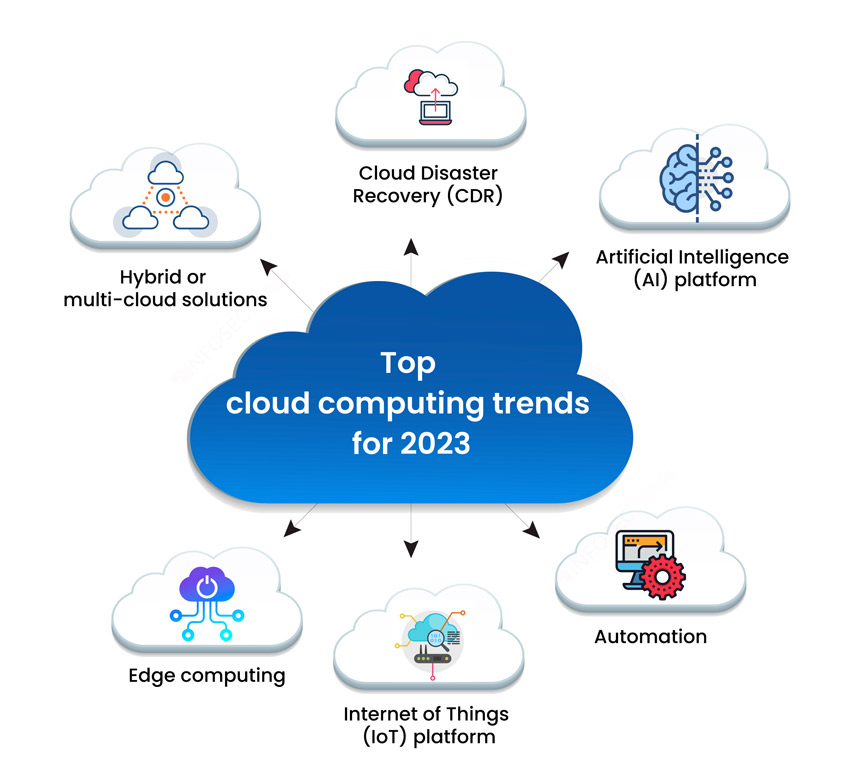
Several cutting-edge trends and technologies are currently influencing cloud migration strategies. Organizations are increasingly prioritizing agility, cost efficiency, and enhanced security in their cloud initiatives. Among these trends is the rise of hybrid and multi-cloud environments, allowing businesses to leverage the strengths of various cloud providers while avoiding vendor lock-in. The integration of artificial intelligence (AI) and machine learning (ML) into cloud services is also transforming how businesses analyze data and optimize resource allocation.
This evolution not only improves operational efficiency but also enhances decision-making processes at strategic levels.
Evolution of Cloud Migration Services
Cloud migration services are continually adapting to meet the diverse needs of businesses. There is a noticeable shift toward more personalized migration strategies that consider unique organizational infrastructures and goals. Service providers are increasingly offering tailored solutions that encompass everything from assessment and planning to execution and post-migration support.Furthermore, automation is playing a crucial role in streamlining migration processes. Automated tools are now being utilized to reduce human error, accelerate deployment times, and enhance the overall user experience.
This trend is essential in accommodating the demands of businesses that require fast and efficient cloud transitions.
Predictions for the Future Landscape of Cloud Migration Services
The future of cloud migration services is poised to be shaped by several key predictions. Understanding these predictions can provide organizations with insights to strategize their cloud adoption journey effectively.
- Increased Adoption of Serverless Architectures: More businesses will leverage serverless computing, which allows developers to focus on code without worrying about the underlying infrastructure.
- Growth of Data-Centric Migration Strategies: Organizations will increasingly prioritize data governance and compliance in their migration plans, focusing on data integrity and security.
- Expansion of Managed Cloud Services: As companies seek to simplify cloud management, there will be a higher demand for managed services that offer end-to-end solutions for cloud operations.
- Emphasis on Sustainability: Organizations will focus on sustainable cloud migration practices, prioritizing eco-friendly solutions to minimize their carbon footprint.
- Rise of Cloud-Native Development: Businesses will increasingly adopt cloud-native technologies like Kubernetes, enabling more agile and scalable application development.
Each of these predictions reflects ongoing shifts in the business environment, driven by technological advancements and changing market demands. Organizations that proactively adapt to these trends are likely to gain a competitive edge and maximize their cloud investments.
FAQ Resource
What is cloud migration?
Cloud migration is the process of moving data, applications, and other business elements from on-premises infrastructure to a cloud-based environment.
Why should organizations consider cloud migration?
Organizations should consider cloud migration to enhance scalability, improve performance, reduce costs, and gain access to advanced technologies and tools.
What are common challenges faced during migration?
Common challenges include data security concerns, downtime during migration, and integration issues with existing systems.
How long does the cloud migration process typically take?
The duration of the cloud migration process varies based on the complexity of the project, but it can range from weeks to several months.
What are key performance indicators to monitor post-migration?
Key performance indicators include application performance, cost savings, user satisfaction, and system availability.
