Dedicated hosting services sets the stage for this enthralling narrative, offering readers a glimpse into a robust infrastructure designed for businesses that demand reliability and performance. Unlike shared hosting, where resources are divided among multiple users, dedicated hosting provides an entire server exclusively for one client, offering unmatched speed, security, and customization options. This makes it an ideal choice not only for high-traffic websites but also for businesses requiring specialized applications and services.
With dedicated hosting, users can expect enhanced performance, fortified security measures, and the flexibility to tailor server specifications to meet unique needs. As we delve deeper into the world of dedicated hosting services, we will explore the various types available, their advantages, pricing considerations, and essential tips for choosing the right provider.
Overview of Dedicated Hosting Services
Dedicated hosting services provide an exclusive server environment for individuals or organizations, ensuring that all resources are allocated to a single user. This model contrasts with shared hosting, where multiple users share the same server space and resources. Dedicated hosting is ideal for businesses that require high performance, security, and customization for their web applications or websites.Dedicated hosting is distinguished by several primary features that cater to specific needs.
Users benefit from full control over the server, including the choice of operating system, hardware configurations, and software installations. This flexibility allows businesses to optimize their server for performance, scalability, and security, tailoring it to handle varying loads. High reliability comes with dedicated hosting, as users do not share resources, minimizing downtime risks. Furthermore, dedicated hosting typically includes advanced security measures, such as customized firewalls and enhanced data protection protocols.
The following points elaborate on the key features of dedicated hosting:
Key Features of Dedicated Hosting Services
The features of dedicated hosting directly impact its performance, security, and customization aspects:
- Full Server Control: Users have complete administrative access to the server, allowing them to configure it according to their specific requirements.
- High Performance: Dedicated resources ensure that websites run smoothly, with faster loading times and the ability to handle high traffic volumes.
- Enhanced Security: Custom security protocols and dedicated firewalls protect sensitive data, making dedicated hosting suitable for e-commerce and financial transactions.
- Customizability: Businesses can select the hardware components, operating systems, and software that best fit their needs, enabling optimization of the server.
- Scalability: As business needs grow, dedicated hosting can be easily upgraded without the limitations of shared resources.
Dedicated hosting is typically utilized in scenarios where performance and security are paramount. Common use cases include large e-commerce websites needing to process numerous transactions simultaneously, high-traffic content sites requiring quick load times, and applications that demand intensive computational resources. Additionally, organizations that handle sensitive data, such as healthcare providers or financial institutions, often turn to dedicated hosting for its enhanced security capabilities.
In summary, dedicated hosting services cater to businesses that prioritize control, performance, and security, making them a preferred choice for enterprises with demanding web applications and high traffic requirements.
Advantages of Dedicated Hosting: Dedicated Hosting Services
Dedicated hosting provides a range of benefits that make it an attractive option for businesses and individuals with specific needs. Unlike shared hosting, where multiple users share the same server resources, dedicated hosting offers an entire server dedicated solely to one client. This leads to significant improvements in various aspects of hosting, which are crucial for performance and security.Dedicated hosting enhances performance by providing exclusive access to server resources, which translates to faster website loading times and improved user experiences.
Without the competition for bandwidth and processing power that comes with shared hosting, dedicated servers can handle higher traffic volumes and resource-intensive applications more efficiently. This is especially important for businesses that rely on their websites for sales and customer engagement.
Performance Improvements
The performance enhancements associated with dedicated hosting are noteworthy. Here are some key improvements that set dedicated hosting apart:
- Resource Allocation: With dedicated hosting, all server resources, such as CPU, RAM, and storage, are allocated to one user. This ensures optimal performance without being affected by the demands of other websites.
- Higher Speed: Dedicated servers typically have faster processors and more RAM compared to shared hosting options, resulting in quicker response times and smoother operation of applications.
- Scalability: Businesses can easily scale their resources according to their needs without the limitations often encountered in shared hosting environments. This flexibility is essential for growing businesses.
Security Measures
Security is another arena where dedicated hosting shines. The measures available in dedicated hosting provide a robust framework for protecting sensitive data. The level of security offered is superior compared to shared hosting and even some virtual private servers (VPS). Key security features include:
- Isolation: Since the server is not shared with other users, there are fewer vulnerabilities and potential points of attack. This isolation drastically reduces the risk of malware and hacking attempts that can occur in shared environments.
- Custom Security Protocols: Users can implement their own security measures tailored to their specific needs, from firewalls to intrusion detection systems, providing an extra layer of protection.
- Regular Backups: Dedicated hosting often includes regular backup services, enabling recovery of data in case of accidental loss or cyber incidents, ensuring business continuity.
“Dedicated hosting provides a level of security and performance that shared hosting simply cannot match, making it the preferred choice for organizations that prioritize their online presence.”
Types of Dedicated Hosting
Dedicated hosting services come in various forms, primarily categorized into managed and unmanaged hosting. Each type serves different needs based on the level of control, technical expertise, and support desired by the user. Understanding these distinctions helps in selecting the right hosting solution for specific business requirements.
Managed Dedicated Hosting
Managed dedicated hosting is a service where the hosting provider takes care of all server management tasks, including security, maintenance, updates, and backups. This type is ideal for businesses that prefer to focus on their core operations without worrying about the technical complexities of server management. It provides peace of mind, allowing users to benefit from expert support.
- Businesses with Limited IT Resources: Companies that may lack a dedicated IT team often opt for managed hosting. For example, a growing e-commerce platform can benefit from this service as it allows them to prioritize sales and customer service while relying on the provider to handle server issues.
- High Traffic Websites: Websites expecting heavy traffic require robust support. A news organization, for instance, can use managed hosting to ensure their site remains operational during peak times, with experts ready to handle any outages or performance issues.
- Startups and Small Businesses: Startups may favor managed hosting to save time and resources. A new software-as-a-service (SaaS) company can leverage managed services to ensure that their application runs smoothly, facilitating growth without the burden of server management.
Unmanaged Dedicated Hosting
Unmanaged dedicated hosting provides users with complete control over their server, requiring them to handle all management tasks. This option is suited for technically skilled users or businesses with established IT teams that prefer customization and control over their environment.
- Tech-Savvy Companies: Organizations with in-house expertise often choose unmanaged hosting to tailor their server settings and configurations. For instance, a tech startup developing complex software applications can benefit from the flexibility and control that unmanaged hosting provides.
- Development and Testing Environments: Companies that need to create and test applications frequently opt for unmanaged hosting. A game development studio, for example, may require an unmanaged server to test their applications extensively with specific configurations.
- Cost-Conscious Businesses: Companies looking to minimize hosting costs may choose unmanaged hosting, as it generally comes at a lower price point. A small website for a personal blog could efficiently operate on an unmanaged server, as the owner can manage the server’s requirements without incurring extra service fees.
“Managed hosting provides peace of mind, while unmanaged hosting offers the flexibility of complete control.”
Cost Considerations

When selecting dedicated hosting services, understanding the associated costs is crucial. The pricing of dedicated servers can vary significantly based on several factors, which may influence a business’s decision-making process. It’s important to assess not only the upfront costs but also the long-term financial implications.Several factors influence the pricing of dedicated hosting services. These include hardware specifications, bandwidth usage, server management options, and geographical location of the server.
Additionally, the level of technical support provided can also impact the overall price. Organizations often face choices between fully managed services, where the hosting provider handles all server-related tasks, or unmanaged services, which require in-house IT expertise.
Comparison with Other Hosting Solutions
Understanding how dedicated hosting compares with other hosting solutions is essential for making an informed decision. Here’s a concise overview of various hosting types and their cost implications:
Shared Hosting
This is the most economical option, with prices typically ranging from $3 to $10 per month. However, resources are shared among multiple users, leading to potential performance issues.
VPS Hosting
Virtual Private Servers provide more resources and control than shared hosting, costing between $20 to $100 per month. It offers a middle ground in terms of performance and price.
Dedicated Hosting
Costs for dedicated servers usually range from $80 to over $500 per month, depending on the server’s specifications and services included. This option offers exclusive resources, which is essential for high-traffic websites.
Typical Pricing Tiers for Dedicated Hosting Services
Artikeld below are typical pricing tiers for dedicated hosting services, including what features and services are usually provided at each level. Understanding these tiers can help businesses align their needs with their budget.
| Pricing Tier | Monthly Cost (USD) | Included Features |
|---|---|---|
| Basic | $80 – $150 | 1 x CPU, 8 GB RAM, 500 GB HDD, Basic Support |
| Standard | $150 – $300 | 2 x CPU, 16 GB RAM, 1 TB HDD, Standard Support, Backup Services |
| Advanced | $300 – $500+ | 4 x CPU, 32 GB RAM, 2 TB HDD, Advanced Support, Managed Services |
This structure of pricing tiers provides clarity on what businesses can expect based on their budget and requirements. Moreover, considering the potential return on investment that dedicated hosting can offer is vital, as faster and more reliable hosting can lead to improved user experience and, ultimately, higher revenue.
Choosing the Right Dedicated Hosting Provider

Selecting a dedicated hosting provider is a critical decision that can significantly impact your website’s performance, security, and overall user experience. With a plethora of options available, understanding the key criteria for selection is essential to ensure that you choose a provider that aligns with your business needs and goals.When evaluating dedicated hosting providers, several factors come into play, including reliability, scalability, security features, pricing, and customer support.
Assessing these criteria will help ensure that the chosen provider not only meets your current requirements but can also adapt to future growth.
Criteria for Selecting a Dedicated Hosting Provider
The following points Artikel the essential criteria to consider when selecting a dedicated hosting provider. Each factor plays a pivotal role in determining the overall quality and efficiency of the hosting service.
- Performance and Reliability: Ensure the provider offers high uptime guarantees (ideally 99.9% or higher) and robust performance metrics.
- Scalability: The ability to upgrade resources easily as your needs grow is vital for long-term success.
- Security Features: Look for features such as DDoS protection, firewalls, and regular backups to safeguard your data.
- Support Services: 24/7 customer support is essential, especially for businesses that operate around the clock.
- Pricing Structure: Understand the pricing model to avoid hidden fees and ensure it fits within your budget.
Leading Dedicated Hosting Providers and Their Key Features
Several providers stand out in the dedicated hosting landscape due to their comprehensive offerings and reliable services. Here’s a brief overview of some of the leading providers:
- Liquid Web: Renowned for its exceptional customer support and high-performance servers tailored for various business needs.
- HostGator: Offers flexible plans with a range of additional services, including website migration and dedicated IP addresses.
- InMotion Hosting: Known for its robust security features and excellent customer service, catering to both small and large businesses.
- SiteGround: Provides advanced security and high-speed performance, with a focus on user-friendly management tools.
- OVHcloud: Offers vast customization options with competitive pricing for enterprises looking for scalable solutions.
Comparison of Customer Support Options
Customer support is a crucial aspect of dedicated hosting services. The following table compares the customer support options available across various leading providers:
| Provider | Support Channels | Response Time | Support Availability |
|---|---|---|---|
| Liquid Web | Live Chat, Phone, Ticketing System | Less than 1 hour | 24/7 |
| HostGator | Live Chat, Phone, Knowledge Base | Up to 1 hour | 24/7 |
| InMotion Hosting | Live Chat, Phone, Ticketing System | Less than 30 minutes | 24/7 |
| SiteGround | Live Chat, Phone, Ticketing System, Knowledge Base | Up to 15 minutes | 24/7 |
| OVHcloud | Live Chat, Phone, Ticketing System | Up to 2 hours | 24/7 |
Performance Optimization
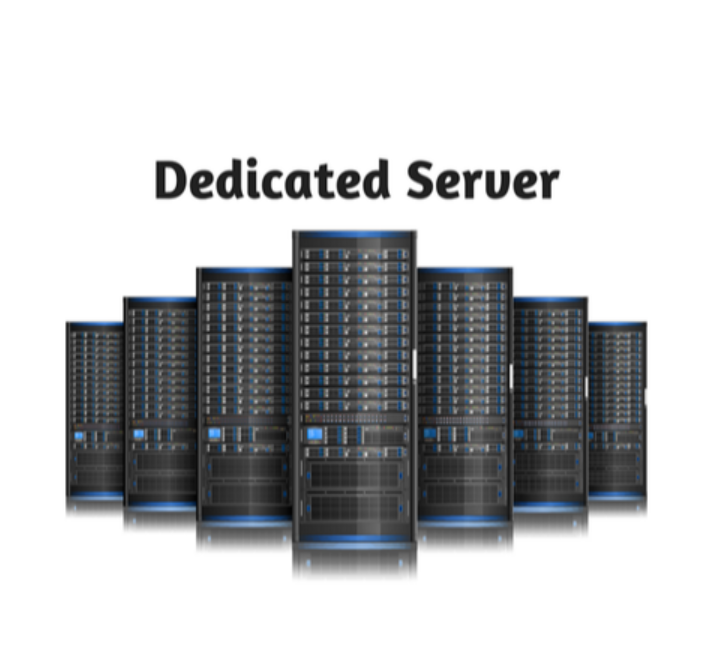
To ensure that dedicated hosting services operate at their maximum potential, performance optimization is essential. This involves not only the management of server resources but also strategic planning and execution of various techniques aimed at enhancing speed, efficiency, and overall server responsiveness. In the world of dedicated hosting, where businesses rely on performance for delivering services, a well-optimized server can make all the difference in user experience and operational success.Hardware specifications play a critical role in the performance of dedicated hosting services.
The CPU, RAM, and storage type all contribute to how quickly and efficiently a server can process requests. High-performance hardware will support more concurrent users, faster data retrieval, and overall smoother operations. When selecting a dedicated server, understanding the specifications and their potential impact is crucial for meeting your business needs.
Hardware Specifications and Their Impact on Performance
The specifications of the hardware used in dedicated hosting can significantly influence its performance. Here are the main components to consider:
- CPU: The processor’s clock speed and core count determine how quickly the server can execute tasks. Multi-core processors provide better multitasking capabilities, allowing for more simultaneous operations.
- RAM: Sufficient RAM enhances the server’s ability to handle concurrent users and large data sets efficiently. More memory allows for smoother interactions, particularly during peak usage times.
- Storage Type: SSDs (Solid State Drives) offer faster data access speeds compared to traditional HDDs (Hard Disk Drives). The choice of storage can vastly improve load times and data retrieval efficiency.
Configuring server settings for optimal performance is a vital step in achieving desired results. Proper configuration can leverage hardware capabilities and significantly improve response times. This includes:
Server Configuration Steps for Optimal Performance
Taking the time to configure server settings meticulously can yield substantial performance benefits. Here are practical steps to consider:
- Operating System Tuning: Optimize the operating system for performance by disabling unnecessary services and optimizing disk performance settings.
- Web Server Configuration: Use caching mechanisms like Varnish or Nginx to improve page load times. Adjust settings in Apache or Nginx to handle more concurrent connections.
- Database Optimization: Regularly optimize your databases with indexing and query caching, which can speed up data retrieval processes.
- Content Delivery Network (CDN): Integrating a CDN can distribute content closer to users, reducing latency and enhancing load times for websites.
By focusing on hardware specifications and meticulously configuring server settings, businesses can ensure that their dedicated hosting services meet and exceed performance expectations, ultimately leading to improved user satisfaction and operational success.
Security Measures in Dedicated Hosting
In the realm of dedicated hosting, security is paramount. With a dedicated server, you have complete control over your environment, but this also means that you are responsible for its security. Implementing robust security measures is essential to protect sensitive data and maintain the integrity of your server.
Essential Security Features in Dedicated Hosting Services
When selecting a dedicated hosting provider, it’s crucial to look for specific security features that ensure your server remains protected against various threats. Some key features to consider include:
- Firewall Protection: A robust firewall acts as a barrier between your server and potential threats from the internet. It monitors incoming and outgoing traffic, blocking unauthorized access.
- Intrusion Detection and Prevention Systems (IDPS): These systems monitor network traffic for suspicious activity and take action to prevent breaches, ensuring your server is actively defended.
- Data Encryption: Ensuring that data is encrypted both in transit and at rest protects it from being intercepted by malicious actors.
- Regular Security Audits: Frequent audits help identify vulnerabilities and ensure that security measures are up-to-date and effective.
Importance of Regular Updates and System Maintenance
Maintaining the security of a dedicated server requires ongoing attention. Regular updates and system maintenance play a vital role in safeguarding your server environment. Outdated software can be a significant vulnerability, as it may contain known exploits that attackers can leverage. By consistently applying updates, you not only patch security holes but also improve the overall performance of your server.
This includes:
- Operating System Updates: Keeping your OS updated ensures that you have the latest security patches and features.
- Software and Application Updates: Regularly updating applications running on your server minimizes the risk posed by software vulnerabilities.
- Backup Management: Implementing a reliable backup strategy ensures that your data can be restored in case of a security breach or data loss.
Best Practices for Securing a Dedicated Server Environment
To create a secure environment for your dedicated server, following best practices is essential. These practices provide an additional layer of security and help mitigate risks. Implementing these strategies can greatly enhance your server’s defenses:
- Access Control: Limit access to the server based on the principle of least privilege, ensuring that users have only the permissions they need to perform their tasks.
- Regular Monitoring: Continuously monitor server logs for unusual activity to catch potential security incidents early.
- Strong Passwords and Authentication: Enforce the use of strong, complex passwords and consider multi-factor authentication to bolster account security.
- Network Security Measures: Utilize Virtual Private Networks (VPNs) and secure protocols (like SSH for remote access) to enhance data security.
“An ounce of prevention is worth a pound of cure.” – Benjamin Franklin
By implementing these security measures, you can create a strong defense for your dedicated hosting environment, protecting both your data and your users’ information from potential threats.
Migration to Dedicated Hosting
Migrating to dedicated hosting is a significant step for businesses looking to enhance their online infrastructure. This process involves transferring data and applications from a shared or virtual server to a dedicated server, ensuring greater performance, security, and control. Understanding how to manage this migration effectively can pave the way for a seamless transition and optimization of the new hosting environment.The migration process to dedicated hosting generally consists of several crucial steps, ensuring that all data is moved securely and efficiently.
Preparation is key; before initiating the migration, it’s essential to back up all existing data and applications. This ensures that nothing is lost during the transition.
Challenges During Migration and Strategies to Overcome Them
Migrating to dedicated hosting can come with its own set of challenges. Identifying these potential hurdles in advance can help in developing effective strategies to overcome them. Some common challenges include data loss, downtime during the transfer, and compatibility issues with existing applications.To mitigate these issues, consider the following strategies:
- Data Backup: Always create comprehensive backups before starting the migration. This protects against data loss should anything go wrong.
- Testing Environment: Set up a testing environment on the new dedicated server to troubleshoot any compatibility issues before going live.
- Migration Timing: Plan the migration during off-peak hours to minimize the impact on users and reduce downtime.
- Effective Communication: Keep stakeholders informed about the migration timeline and any potential service interruptions.
Essential Tasks Before, During, and After Migration
Having a checklist can simplify the migration process and ensure that all necessary tasks are completed. Here’s a breakdown of essential tasks to handle at each stage of the migration.Before Migration:
- Conduct a thorough inventory of all data and applications to be migrated.
- Analyze the current hosting setup to identify any potential issues.
- Choose a reliable dedicated hosting provider and configure the new server according to needs.
During Migration:
- Initiate the data transfer process while monitoring for any errors.
- Ensure that security protocols are in place to protect data in transit.
- Regularly check performance metrics to catch any immediate issues.
After Migration:
- Test all applications and data to ensure everything is functioning correctly.
- Monitor the server’s performance over the first few weeks to identify any necessary adjustments.
- Communicate to users that the migration is complete and provide support for any issues they may encounter.
“Successful migration to dedicated hosting requires careful planning and execution to minimize risks and maximize benefits.”
Future Trends in Dedicated Hosting
As technology continues to evolve, dedicated hosting services are likewise set to transform significantly. With advancements in cloud technology, virtualization, and security protocols, businesses need to adapt to stay competitive and leverage the benefits offered by dedicated hosting. Understanding these trends is essential for making informed decisions that align with future needs.Emerging trends indicate that dedicated hosting will increasingly integrate advanced technologies, offering enhanced performance and security.
Key developments include the incorporation of artificial intelligence (AI) for predictive analytics, increased emphasis on sustainability in data centers, and the rise of edge computing. These trends not only improve the efficiency of dedicated hosting but also allow businesses to tailor their hosting solutions to specific operational demands.
Artificial Intelligence in Dedicated Hosting
AI is reshaping how dedicated hosting operates, enabling predictive analytics that enhance system monitoring and performance optimization. By analyzing usage patterns, AI can anticipate server loads and optimize resource allocation, ensuring that performance remains consistent even during traffic spikes. This proactive approach can significantly reduce downtime and improve user experience.
Sustainability and Energy Efficiency
With growing concerns about environmental impact, data centers are increasingly focusing on sustainability. Dedicated hosting providers are adopting energy-efficient technologies and green practices, such as using renewable energy sources and implementing advanced cooling solutions. Companies that prioritize eco-friendly hosting services not only contribute to environmental conservation but also appeal to a market increasingly motivated by sustainability.
Growth of Edge Computing
As businesses seek to reduce latency and improve speed, edge computing is gaining traction. This technology decentralizes data processing, allowing data to be processed closer to where it is generated. For dedicated hosting, this means servers can be positioned strategically to enhance performance and speed, ultimately leading to better customer satisfaction.
Staying Ahead of Trends
To remain competitive, businesses must actively engage with emerging technologies and trends in dedicated hosting. This can be achieved through regular audits of hosting performance, continual training for IT staff on new technologies, and fostering partnerships with innovative hosting providers. Some effective strategies include:
- Regularly assess hosting needs in relation to business growth and technology advancements.
- Invest in scalable solutions that can adapt as technology evolves.
- Collaborate with hosting providers that prioritize innovation and flexibility.
- Embrace new technologies, such as AI and machine learning, to enhance operational efficiency.
By understanding these future trends and adapting accordingly, businesses can ensure they remain at the forefront of dedicated hosting solutions.
Questions and Answers
What is dedicated hosting?
Dedicated hosting is a type of web hosting where an entire server is allocated to a single client, providing complete control and resources.
How does dedicated hosting compare to shared hosting?
Unlike shared hosting, where multiple users share server resources, dedicated hosting offers exclusive access to server resources, leading to better performance and security.
What are the common use cases for dedicated hosting?
Dedicated hosting is commonly used by large businesses, e-commerce sites, and applications requiring high performance, customization, and security.
Is dedicated hosting more expensive than other types of hosting?
Yes, dedicated hosting is typically more expensive than shared or VPS hosting due to the exclusive use of server resources.
Can I upgrade my dedicated hosting plan later?
Yes, most hosting providers offer options to upgrade your dedicated hosting plan as your business grows and needs change.
