Structured settlement annuity sets the stage for this enthralling narrative, offering readers a glimpse into a story that is rich in detail and brimming with originality from the outset. These financial arrangements are designed to provide long-term financial stability to individuals who have received compensation from legal cases, ensuring that they receive their funds in a structured manner rather than in a lump sum.
This approach not only helps recipients manage their finances better but also offers various benefits and protection against sudden financial decisions.
Overview of Structured Settlement Annuities
Structured settlement annuities play a significant role in the financial landscape, particularly for individuals who have received compensation from legal settlements. These financial products provide a steady stream of income over time, rather than a lump sum payment. This approach allows beneficiaries to manage their funds effectively while ensuring long-term financial stability.The primary purpose of structured settlements is to offer a reliable way for recipients to receive compensation, especially in cases of personal injury or wrongful death.
They are often used to provide financial support for medical expenses, lost wages, and other ongoing costs. The benefits of structured settlements include tax advantages, financial security, and the ability to tailor payment schedules to individual needs. This helps recipients avoid the risks associated with spending a lump sum too quickly.
Differences Between Lump-Sum Payments and Structured Settlements
Understanding the distinctions between lump-sum payments and structured settlements is critical for recipients deciding how to receive their compensation. Lump-sum payments provide the entire settlement amount in one go, offering immediate access to cash. This method allows for quick financial relief but carries the risk of mismanagement, as recipients may spend the money before meeting their long-term needs. An example of this can be seen in cases where individuals receive large sums from a personal injury lawsuit but face financial difficulties a few years later due to impulsive spending.In contrast, structured settlements involve disbursing compensation over a specific period, typically through periodic payments.
This approach not only helps in budgeting but also ensures that funds are available for future needs. The structured settlement can be customized based on the recipient’s age, health needs, and financial goals, which adds an element of security to their financial planning.Here are key points to consider regarding the differences:
- Payment Timing: Lump-sum payments are immediate, while structured settlements provide payments over time.
- Financial Management: Lump sums risk premature spending; structured settlements promote better financial discipline.
- Tax Implications: Both payment types have specific tax treatments, with structured settlements often enjoying tax-free status on the principal amount.
- Flexibility: Structured settlements allow for tailored payment schedules to accommodate changing needs over time.
“Structured settlements provide a steady income stream, helping recipients avoid the pitfalls of mismanaging a lump-sum payment.”
In summary, while lump-sum payments can offer immediate financial relief, structured settlements promote long-term financial health and security, ensuring that recipients can manage their compensation effectively over the years.
Types of Structured Settlement Annuities
Structured settlement annuities come in various forms, each tailored to meet the specific needs of individuals who have received compensation through legal settlements. These financial instruments are designed to provide long-term financial security, allowing for a steady stream of income over time. Understanding the different types of structured settlement annuities is crucial for making informed decisions that align with one’s financial goals.Structured settlement annuities can be categorized based on the frequency and duration of payments, as well as the specific needs of the recipient.
The structure of these payments can greatly influence the financial planning of individuals who rely on them. The choice of annuity type often depends on factors such as the recipient’s financial situation, future expenses, and personal preferences regarding payment timing.
Types of Payment Structures
When considering structured settlement annuities, it’s important to note the various payment structures that can be utilized. These structures can be customized based on individual requirements, offering flexibility for different financial scenarios.
- Immediate Payment Annuities: These annuities begin to pay out right after the settlement is finalized. They are often chosen by recipients who require quick access to funds. For example, a recipient may prefer monthly payments starting immediately to cover ongoing medical expenses.
- Deferred Payment Annuities: Payments from these annuities start at a later date, allowing for a buildup of funds over time. This option might be suitable for individuals anticipating larger future expenses, such as college tuition for children. An example would be a structured settlement that begins payments after a five-year wait.
- Fixed Payment Structures: Fixed payments are predetermined and remain constant over the life of the annuity. This structure is beneficial for those who value stability in their financial planning. For instance, a recipient may opt for annual payments of $20,000 for 10 years.
- Variable Payment Structures: These annuities allow for payments to fluctuate based on specific factors, such as inflation or investment performance. This type can cater to individuals who want their payments to grow over time, potentially outpacing inflation. An example could include an annuity that starts with smaller payments that increase by 3% each year.
- Lifetime Annuities: These provide payments that last for the lifetime of the recipient, ensuring that they do not outlive their financial resources. This option is ideal for individuals who prioritize long-term financial security, allowing for consistent income throughout their retirement years.
- Periodic Lump-Sum Payments: In addition to regular payments, some structured settlements allow for lump-sum payments at specified intervals. This can be advantageous for those facing large expenses at certain life stages, such as a significant medical procedure or home purchase.
The choice of annuity type is influenced by several factors, including the recipient’s current financial situation, their anticipated future expenses, and personal preferences regarding payment timing. It’s important for individuals to carefully assess their financial goals and consult with a financial advisor to determine the most appropriate type of structured settlement annuity that fits their needs.
Advantages of Structured Settlement Annuities
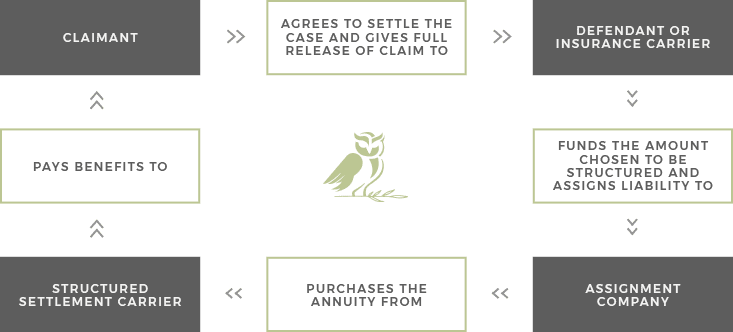
Structured settlement annuities offer a unique set of benefits that can significantly enhance the financial well-being of recipients. These advantages encompass financial stability, tax benefits, and a safeguard against hasty financial decisions. Understanding these key points helps individuals appreciate why structured settlements can be a wise choice for managing compensation funds.
Financial Stability Provided by Structured Settlements
Structured settlement annuities are designed to deliver consistent and reliable income over an extended period. This steady stream of payments can significantly alleviate financial anxiety. For example, a recipient may receive monthly payments for a specific period, ensuring that essential living expenses are covered. This structure creates a financial safety net, allowing individuals to plan for the future without the stress of unexpected expenses.In addition to regular payments, structured settlements often include provisions for cost-of-living adjustments, providing recipients with payments that keep pace with inflation.
This feature is particularly valuable in an unpredictable economy, where rising costs can impact purchasing power.
Tax Benefits Associated with Structured Settlement Annuities
One of the most appealing aspects of structured settlements is the favorable tax treatment they receive under the Internal Revenue Code. Generally, the payments received from a structured settlement annuity are tax-free, meaning recipients do not owe income tax on the funds they receive. This tax-exempt status allows recipients to maximize their financial resources. For example, a structured settlement that pays $50,000 over a period of time would not be subject to income tax, effectively providing the full benefit of the compensation amount.
This tax advantage helps individuals avoid the pitfalls of tax liabilities that might arise from lump-sum settlements.
Protection from Poor Financial Decisions
Structured settlement annuities inherently promote financial discipline. By receiving payments over time rather than a lump sum, recipients are less likely to make impulsive financial decisions that could jeopardize their future security. The gradual nature of these payments encourages individuals to manage their resources wisely, as they know that funds will be available in the future.Moreover, structured settlements can be tailored to meet specific financial needs, allowing recipients to allocate funds for education, healthcare, or other critical expenses.
This proactive approach ensures that money is utilized effectively, reducing the likelihood of mismanagement and enabling recipients to achieve their long-term financial goals.
“Structured settlements not only provide immediate financial relief but also foster a sustainable economic future for recipients.”
Disadvantages of Structured Settlement Annuities
While structured settlement annuities can provide long-term financial security, they are not without potential drawbacks. Understanding these disadvantages is essential for anyone considering this type of financial arrangement. The limitations of structured settlements can significantly impact an individual’s financial flexibility and overall financial strategy.One of the most significant concerns surrounding structured settlement annuities is the issue of liquidity. Unlike a lump-sum payment, which provides immediate access to a large sum of money, structured settlements disburse funds over time.
This can create challenges in situations where immediate cash is needed, such as medical emergencies, unexpected repairs, or investment opportunities.
Liquidity Challenges Compared to Lump-Sum Payments
When evaluating structured settlements in comparison to lump-sum payments, it is crucial to consider the differences in liquidity. Here are some key points to understand:
- A structured settlement involves receiving payments over an extended period, which can last for years or even decades. This means that the recipient may not have immediate access to their full compensation amount.
- In contrast, a lump-sum payment provides the entire settlement amount upfront, allowing for immediate use, investment, or savings.
- Individuals relying on structured settlements may find themselves in a difficult financial situation if they encounter sudden expenses that exceed their scheduled payment amounts.
- Reselling or cashing out a structured settlement is often complicated and may result in receiving less than the total value, further diminishing financial security.
Scenarios Where Structured Settlements May Not Be Advantageous
There are certain scenarios where structured settlements may not be the best choice for individuals. Understanding these situations can help in making informed decisions about financial arrangements:
- Individuals with immediate financial needs, such as purchasing a home or starting a business, may benefit more from a lump-sum payment that allows for quick access to funds.
- Those who are financially savvy and can manage investments effectively may prefer a lump-sum to take advantage of potential growth opportunities.
- In cases where the recipient is in poor health or facing a shorter life expectancy, the long-term payout of a structured settlement may not provide sufficient financial support during critical times.
- Individuals who anticipate significant life changes, such as marriage, divorce, or having children, may require financial flexibility that structured settlements do not offer.
“Having a structured settlement may feel secure, but it can become a financial constraint when circumstances change.”
The Process of Establishing a Structured Settlement
Establishing a structured settlement is a detailed process that involves careful planning and negotiation to ensure the agreement meets the needs of the claimant while also being acceptable to the insurer. The goal is to create a mutually beneficial arrangement that facilitates the smooth transition of funds over time.The initial step in creating a structured settlement agreement is to assess the specific needs and circumstances of the claimant.
This includes understanding the injuries sustained, the projected future medical expenses, and any other financial requirements that may arise. Once these needs are identified, the negotiation process with the insurer can begin.
Steps in Creating a Structured Settlement Agreement
To facilitate a clear understanding of the process, the following steps Artikel the typical progression in establishing a structured settlement:
- Assessment of Needs: This step includes evaluating the claimant’s current and future financial needs, including medical costs, lost wages, and any other expenses.
- Negotiation with Insurer: The claimant, often represented by legal counsel, enters negotiations with the insurance company to discuss the terms of the settlement.
- Drafting the Agreement: Once the terms are agreed upon, a formal settlement agreement is drafted, outlining the payment structure, amounts, and timelines.
- Approval of the Settlement: The proposed settlement typically requires court approval, ensuring that it is fair and in the best interest of the claimant.
- Implementation: After court approval, the settlement is executed, and the agreed-upon payments commence as scheduled.
Negotiation Process Flowchart
The negotiation process between claimants and insurers can be visualized through a flowchart. This flowchart summarizes the main stages of negotiation:
Claimant’s Initial Offer
The claimant’s legal team presents their assessment of needs and initial settlement demand to the insurer.
Insurer’s Counteroffer
The insurer reviews the claim and responds with a counteroffer based on their assessment.
– Negotiation
- Both parties engage in discussions, making adjustments to the offer and counteroffer until an agreement is reached.
- Final Agreement
- Once terms are mutually accepted, the agreement is drafted for review.
- Court Approval
- The finalized agreement is submitted to the court for approval, ensuring compliance with legal standards.
- Execution of Settlement
Upon court approval, the structured settlement is implemented, and payments are initiated.
Role of Legal and Financial Advisors
Legal and financial advisors play pivotal roles in the structuring of a settlement. Their expertise ensures that the claimant’s needs are met effectively while navigating the complexities of the negotiation process.Legal advisors provide guidance on the legal implications of the settlement, ensuring all regulations are followed, and the claimant’s rights are protected. They assist in drafting the settlement agreement and represent the claimant during negotiations with the insurer.
Financial advisors help in structuring the payments to align with the claimant’s long-term financial goals. They analyze various annuity products and suggest options that would best suit the claimant’s situation, taking into account factors such as taxation and investment growth.
“A well-structured settlement not only provides immediate financial relief but also secures the claimant’s future.”
In conclusion, the process of establishing a structured settlement is critical in ensuring that claimants receive the financial support they need over time while providing a framework for negotiated agreement between parties involved. The coordinated efforts of legal and financial advisors are essential in navigating this process successfully.
Selling a Structured Settlement: Structured Settlement Annuity
Selling a structured settlement can be a pivotal financial decision, particularly when immediate cash is needed. This process allows individuals to convert future periodic payments from their settlement into a lump-sum payment, which can be used for various urgent financial needs, such as medical bills, buying a home, or paying off debts.The process of selling a structured settlement typically involves several steps, starting with contacting a buying company that specializes in purchasing these types of settlements.
The seller will need to provide details about their settlement, including payment amounts, schedules, and any relevant court documents. After evaluation, the buying company will present an offer, and if accepted, legal proceedings will follow to authorize the sale. It is crucial for sellers to understand that this process might take time and will require court approval to finalize the transaction.
Factors to Consider Before Selling a Structured Settlement
Before deciding to sell a structured settlement, several important factors must be considered to ensure that the decision aligns with the seller’s financial goals. These factors include:
- Financial Needs: Assess the urgency of cash requirements. If immediate cash flow issues are present, selling might be beneficial.
- Future Financial Goals: Consider how selling the settlement may impact long-term financial plans. The loss of future payments can affect financial stability over time.
- Value of Settlement: Evaluate the total value of current payments versus the lump sum offered. Sometimes, the offer may significantly undervalue the total future payouts.
- Fees and Costs: Understand the potential fees involved in the selling process, including legal fees, service charges, and any applicable state regulations that might affect the sale.
- Tax Implications: Consult with a tax advisor, as selling a structured settlement can have tax consequences depending on the jurisdiction and specific circumstances.
Potential Pitfalls and Benefits of Selling Structured Settlements
Selling a structured settlement comes with both benefits and potential pitfalls. Recognizing these aspects can aid in making an informed decision.
- Benefits:
- Immediate Access to Cash: Selling provides quick access to funds, which can be crucial in emergencies.
- Debt Elimination: The lump sum can be used to pay off debts, helping to improve credit scores and reduce financial stress.
- Flexible Use of Funds: Cash from the sale can be allocated for various purposes, such as education, investments, or home purchasing.
- Pitfalls:
- Loss of Future Payments: By selling, individuals forfeit guaranteed income in the future, which can lead to financial instability.
- Reduced Value: The lump sum received is usually less than the total value of the structured settlement, meaning a financial loss may occur.
- Scams and Unscrupulous Buyers: Some companies may take advantage of sellers, providing unfair offers or charging excessive fees.
“Selling a structured settlement can bridge immediate financial gaps, but careful consideration is essential to avoid long-term impact on financial health.”
Legal Considerations in Structured Settlements

Creating a structured settlement involves navigating various legal considerations that ensure the arrangement is both valid and beneficial for all parties involved. Understanding these legal requirements is crucial for recipients to make informed decisions about their financial future.Legal requirements for creating a structured settlement typically involve compliance with specific regulations and statutes that govern such financial arrangements. These requirements aim to protect the rights of the injured party and ensure that the settlement serves its intended purpose effectively.
Legal Requirements for Creating a Structured Settlement
The establishment of a structured settlement must adhere to several legal standards, including:
- The structured settlement must be based on a settlement agreement that Artikels the terms, including payment amounts, frequency, and duration.
- Parties involved in the settlement must include a qualified funding entity, usually an insurance company, responsible for making the periodic payments.
- Documentation should be thorough, providing clear records of the negotiation process, terms of the settlement, and any applicable tax implications.
Court Approval in Certain Cases
In some instances, court approval is necessary for a structured settlement to be legally binding. This requirement typically arises when the settlement involves minors or individuals deemed legally incompetent. The court’s role is to ensure that the settlement serves the best interests of the affected parties.The process of obtaining court approval includes:
- Filing a petition with the court that details the terms of the settlement.
- Providing evidence and documentation supporting the need for a structured settlement.
- Attending a court hearing where the judge will assess the settlement’s fairness and adequacy.
State Laws Governing Structured Settlements
Structured settlements are also governed by state laws, which can vary significantly across different jurisdictions. These laws dictate how settlements should be administered and what requirements must be met for tax purposes.Important aspects of state laws include:
- Each state has its own regulations regarding the transfer of structured settlement rights, particularly if a recipient wishes to sell their payments.
- There are often stipulations about the minimum amount of payments that can be transferred and the conditions under which a court must approve such transfers.
- Some states may also have laws that provide additional protections for structured settlement recipients, ensuring they receive fair financial treatment throughout the duration of their agreement.
“Understanding the legal landscape surrounding structured settlements is essential to safeguarding your rights and ensuring compliance with all necessary regulations.”
Choosing a Structured Settlement Provider

Selecting the right structured settlement provider is crucial for ensuring that you receive the best services and support throughout the life of your annuity. A reliable provider can make a significant difference in how efficiently your settlement is managed, from payment schedules to customer service. With numerous options available, knowing what to look for can help you make an informed decision.When choosing a structured settlement provider, it’s essential to evaluate several key criteria to determine which will best meet your needs.
Consider the following factors:
Key Criteria for Selecting a Provider
Identifying the right provider involves assessing various elements that contribute to a positive experience. Here are some vital criteria to consider:
- Reputation: Look for providers with a strong track record in the industry, as their reputation can significantly influence your experience.
- Customer Service: Assess the level of support offered. A responsive and knowledgeable customer service team can provide peace of mind.
- Fees and Expenses: Compare fees associated with each provider, including administration and transaction costs, to ensure you get a fair deal.
- Financial Stability: It’s important to choose a provider with a solid financial background to ensure they can fulfill their obligations over time.
- Flexibility of Payment Options: Ensure the provider offers a range of payment schedules that can be customized to fit your needs.
Comparison of Structured Settlement Providers
To help visualize the differences between various providers, the following table compares essential services and fees of leading structured settlement companies:
| Provider Name | Services Offered | Average Fees | Customer Rating |
|---|---|---|---|
| Provider A | Customized payment plans, annuity management | 1.5% of total settlement | 4.5/5 |
| Provider B | Lifetime guarantees, flexible withdrawal options | 2% of total settlement | 4.0/5 |
| Provider C | Legal assistance, financial planning resources | 1.8% of total settlement | 4.2/5 |
The Importance of Reputation and Reviews
A provider’s reputation serves as a reflection of the quality of service they provide. Checking reviews and testimonials from previous clients can give you insights into their experiences, highlighting both strengths and weaknesses.
“Client feedback is invaluable when assessing a structured settlement provider’s reliability and service quality.”
Research platforms such as Consumer Affairs or Trustpilot can offer a wealth of information about customer experiences. Look for consistent positive feedback regarding prompt payments and effective customer service. Ultimately, a provider with high customer ratings and positive reviews is likely to give you the reassurance needed for your structured settlement journey.
Case Studies and Real-Life Examples
Structured settlement annuities are often highlighted through real-life experiences, illustrating their impact on individuals and families. These case studies reveal how structured settlements can provide financial stability in times of uncertainty, while also showcasing instances where they may not align with the recipients’ needs.Examining both successful and contrasting cases allows us to appreciate the versatility and limitations of structured settlements.
Below, we delve into real scenarios where individuals have either benefited significantly from structured settlement annuities or experienced challenges that left them wishing for a different arrangement.
Successful Case Studies, Structured settlement annuity
In this section, we highlight several individuals who have positively experienced structured settlement annuities:
-
Case Study 1: John’s Injury Settlement
-After a severe workplace injury, John received a structured settlement of $500,000, distributed over 20 years. This financial arrangement allowed him to cover ongoing medical expenses and maintain a stable lifestyle without the pressure of managing a lump sum at once. -
Case Study 2: Lisa’s Car Accident
-Following a car accident, Lisa received a structured settlement that provided her with monthly payments of $2,000 for 15 years. This consistent income helped her pay for her children’s education and home expenses, ensuring long-term financial security. -
Case Study 3: Mark’s Medical Malpractice
-Mark settled a medical malpractice case and opted for a structured settlement of $1 million over 25 years. The arrangement enabled him to fund his ongoing therapy while providing a steady income, which relieved the stress of financial uncertainty.
Contrasting Examples of Challenges
While structured settlements can be beneficial, there are also cases where they may not fulfill the recipients’ expectations:
-
Case Study 4: Sarah’s Unexpected Expenses
-Sarah received a structured settlement after a slip and fall accident. However, when faced with a sudden medical crisis, the monthly payments were insufficient to cover her immediate needs, leading her to face financial strain. -
Case Study 5: Tom’s Liquidation Needs
-Tom received a structured settlement that provided payments over 30 years. When he needed a lump sum to invest in a business opportunity, he found himself unable to access sufficient funds quickly.
Summary Table of Case Studies
The following table summarizes the key points and outcomes of the case studies discussed:
| Individual | Type of Settlement | Duration | Outcomes |
|---|---|---|---|
| John | Workplace Injury | 20 Years | Covered medical expenses; stable lifestyle |
| Lisa | Car Accident | 15 Years | Educational and home expenses; financial security |
| Mark | Medical Malpractice | 25 Years | Ongoing therapy funding; steady income |
| Sarah | Slip and Fall | Not specified | Insufficient funds during medical crisis |
| Tom | Not specified | 30 Years | Unable to access lump sum for business opportunity |
Future Trends in Structured Settlement Annuities
As the financial landscape evolves, structured settlement annuities are witnessing transformative changes driven by technological advancements and regulatory shifts. These trends promise to redefine how settlements are processed, managed, and utilized by recipients, ensuring that they remain relevant and beneficial for those who rely on them.The structured settlement market is increasingly shaped by technology, which enhances transparency, efficiency, and accessibility for all parties involved.
Digital platforms are making it easier for recipients to manage their annuities, track payments, and even sell their structured settlements if needed. Additionally, the use of data analytics is becoming prominent, allowing providers to better understand the needs of clients and tailor products that fit those needs more precisely.
Emerging Trends in Structured Settlement Market
Several key trends are emerging that are likely to influence the structured settlement market in the coming years. Understanding these trends can help stakeholders prepare for changes and adapt accordingly.
- Increased Digitalization: The shift towards online platforms facilitates easier access to information and resources, allowing recipients to manage their settlements more effectively.
- Integration of Financial Technology: Fintech innovations are integrating with structured settlements, enabling better payment tracking and financial planning tools.
- Focus on Personalization: Providers are moving towards more customized solutions that cater to the unique needs of clients, ensuring better satisfaction and outcomes.
- Greater Awareness and Education: There is a push for more educational resources about structured settlements, helping recipients understand their options and make informed decisions.
Impact of Technology on Structured Settlements
Technology is reshaping the structured settlement landscape in various impactful ways. Enhanced tools and platforms are optimizing the entire process from negotiation to payment. For instance, blockchain technology is being explored for its potential to create secure and transparent transaction records. This could minimize fraud risks and provide a clear audit trail for all payments made. Furthermore, artificial intelligence (AI) is improving the customer experience by offering chatbots for instant support and personalized recommendations based on individual circumstances.
Potential Changes in Regulations Affecting Structured Settlements
The regulatory environment surrounding structured settlements is also poised for evolution. Policymakers are increasingly focused on consumer protection, which could result in more stringent regulations governing the sale and transfer of structured settlements.Monitoring the following aspects will be crucial:
- Consumer Protection Regulations: Enhanced regulations may arise to ensure that recipients fully understand the implications of selling their settlements.
- Tax Implications: Changes in tax laws could affect how structured settlements are treated, influencing the benefits that recipients receive.
- Standardization of Practices: There may be efforts to standardize practices across the industry, promoting fairness and transparency.
As the market adapts to new technologies and regulatory frameworks, stakeholders must remain vigilant and informed to navigate these changes effectively.
FAQ Corner
What is a structured settlement annuity?
A structured settlement annuity is a financial product that provides periodic payments to an individual as compensation from a legal case, rather than a lump sum.
How are structured settlement annuities funded?
They are typically funded through the purchase of an annuity from a life insurance company with the settlement funds.
Can structured settlements be sold?
Yes, structured settlements can be sold to a third party for a lump sum payment, but this process involves legal considerations and potential fees.
Are structured settlement payments taxable?
No, structured settlement payments are generally not taxable, which is one of their main advantages.
What factors influence the type of structured settlement annuity chosen?
Factors include the recipient’s financial needs, life expectancy, and the nature of the settlement agreement.
